
Free written scope consultation - allowances, timeline, and change-order rules on paper before a single trade is scheduled
Silestone Home Additions & ADU: The Fort Worth Owner’s Guide
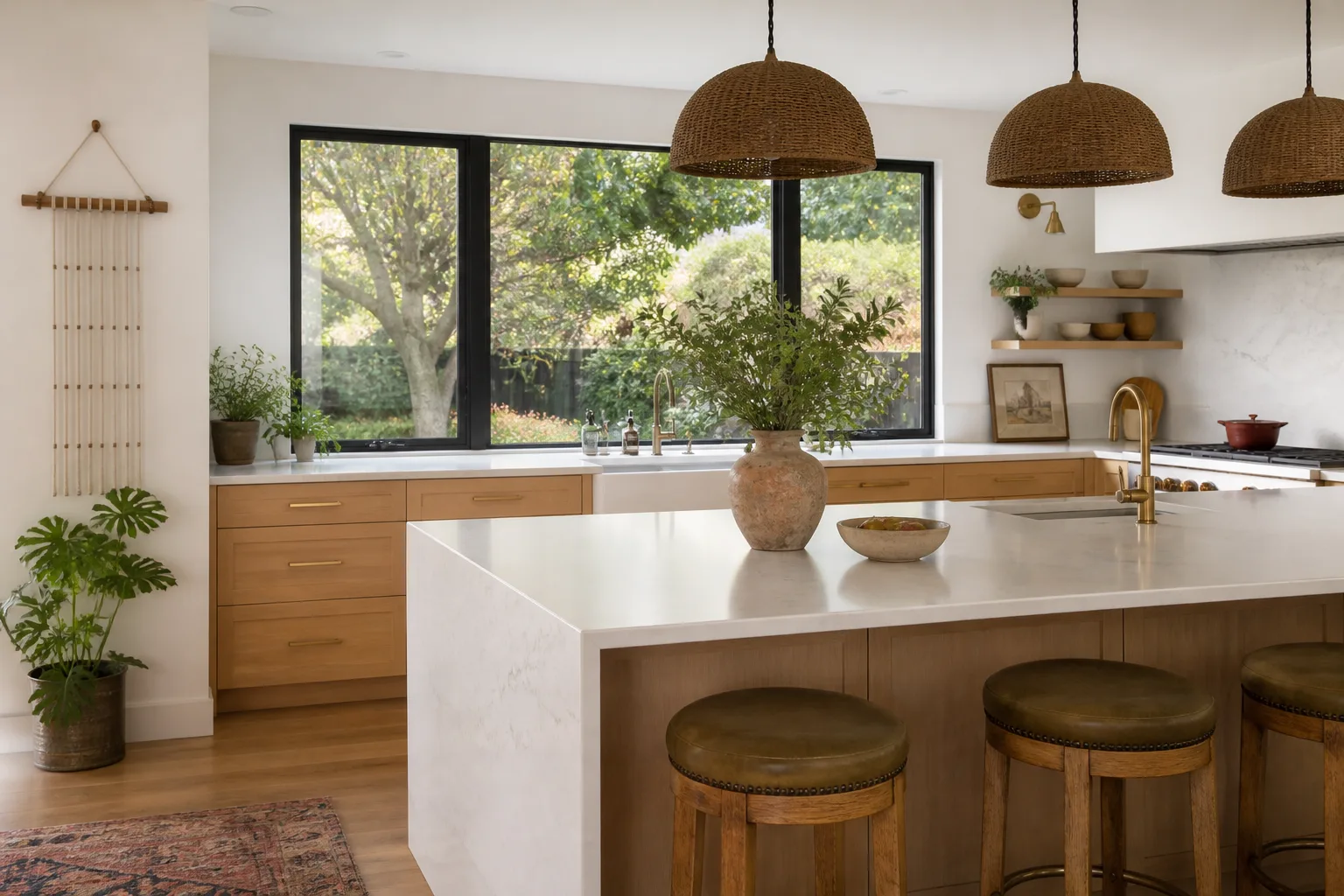
Silestone countertops and surfaces hold up well in a Fort Worth addition or ADU, but the surrounding structure, the cabinets, the edge profiles, and the substrate carry most of the daily stress. When a Silestone surface on a home addition starts showing separation at the seams, a dulled edge, or a counter that no longer sits level because the cabinet underneath has settled, the fix is rarely just the stone. We stock and install Silestone-compatible components for home additions and ADUs across Fort Worth, and typical installed work lands in the $45,000 – $130,000 range depending on scope. Most owners first notice the problem as a hairline seam gap that grows with the seasons, or a stone edge that chips near a high-traffic corner.
A quick note on who we are: Elmstead Remodeling Fort Worth is an independent remodeling contractor, not a Silestone affiliate or factory service center. We work with Silestone and other named brands because their warranty terms are clear and homeowners can research them independently.
Which Silestone Models This Applies To
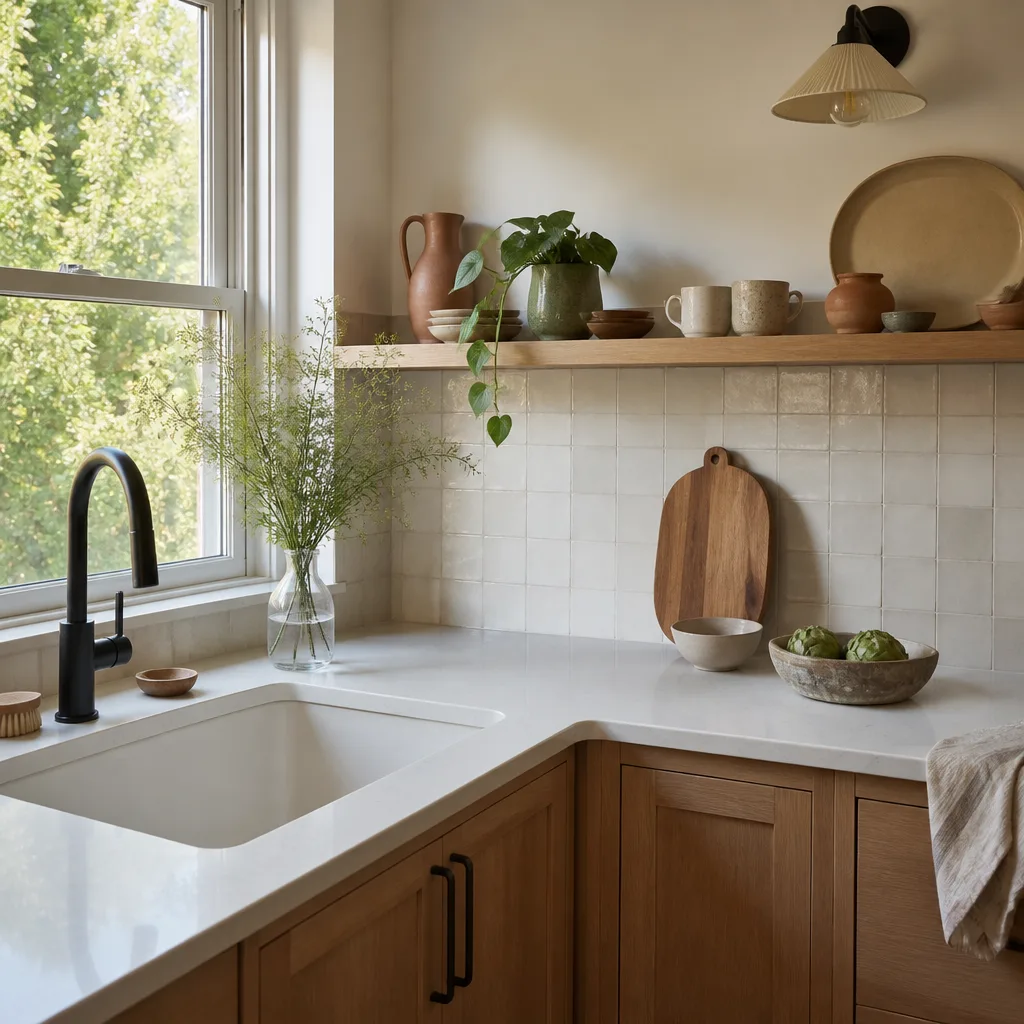
Silestone runs several distinct product families, and the compatibility question matters more on additions and ADUs than in a standard kitchen. The classic quartz lines (Eternal, Loft, Sunlit Days, Le Chic) share standard 1.2 cm, 2 cm, and 3 cm thicknesses, but the 2 cm profile is the one we most often specify on addition countertops because it balances weight against span. The 3 cm slab lets you skip a plywood subtop, which matters in an ADU where cabinet height is tight. If your Silestone surface is a Suede or polished finish, the edge detailing and seam support behind it differ enough that the answer is not interchangeable.
Here is the compatibility gotcha we run into in Fort Worth regularly: a homeowner removes a Silestone counter from a 2000s-era kitchen, plans to reuse it in a new ADU, and discovers the old 1.2 cm thick slab was glued to a subtop that cannot be separated cleanly. Thinner Silestone profiles from that era were installed differently than today’s 3 cm slabs, and the seam adhesives were not meant to be reworked. The OEM-vs-aftermarket decision for Silestone parts (seam kits, edge profiles, corner brackets, sink mounting hardware) leans OEM for anything touching the stone itself, because Silestone’s own adhesive kit is matched to the resin chemistry. Aftermarket is fine for the cabinet hardware underneath. We carry both on the truck, and Graham Stein can tell you which is which before you spend a dollar.
If you have the original install paperwork, look for the slab lot number on the underside of the counter, usually printed on a sticker or written in wax pencil near a sink cutout. That number tells us which resin batch your Silestone came from, and it is the single most useful identifier when matching a seam or a repair tint.
Styles & brands we work with







Signs Your Silestone Home Additions & ADU Is Failing
- Seam gaps that open and close with Fort Worth’s weather. Our clay soil expands and contracts through spring wet-dry cycles, and a seam that opens in March then closes in July is telling you the underlying cabinet run is moving. The quartz is not shrinking; the house is.
- Chipped edges near corners and sink cutouts. Silestone is tough, but a sharp 90-degree corner on a peninsula in a busy ADU takes impacts that a eased or rounded edge would shrug off. Once the resin shows through as a lighter fleck, that edge is compromised.
- A counter that no longer sits level, with doors beginning to bind. The stone is rigid; when it tilts, the cabinet frame underneath has settled. Shimming a counter is a short-term fix; we want to find out what moved first because it is usually the slab or the floor framing.
- Discoloration or a chalky feel on the surface near a window. Fort Worth sun is hard on quartz resin over years, especially the lighter Silestone colors. Fading or a dulled area that stays dull after cleaning is often UV or heat exposure, and the fix is polishing or replacing the affected section, not just sealing.
- Sink area movement: the faucet plate flexes, or the sink rim creaks when you lean on it. This points to degraded undermount adhesive or missing sink brackets. Water has been working under the rim, and on an ADU where the sink sees daily use, this is the failure that leads to the biggest repair if left alone.
See the difference
 Before
 After
After Before
 After
After Before
 After
AfterReplacement Cost & What’s Included
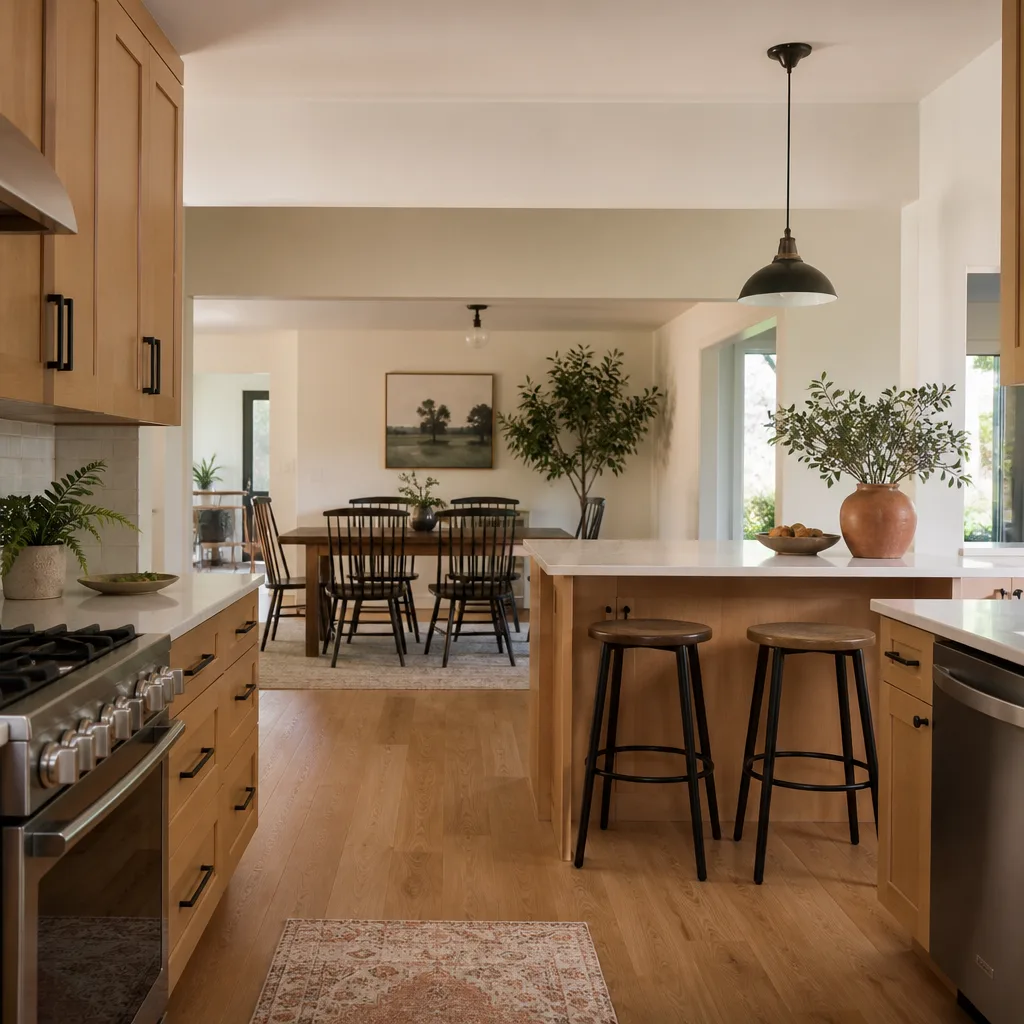
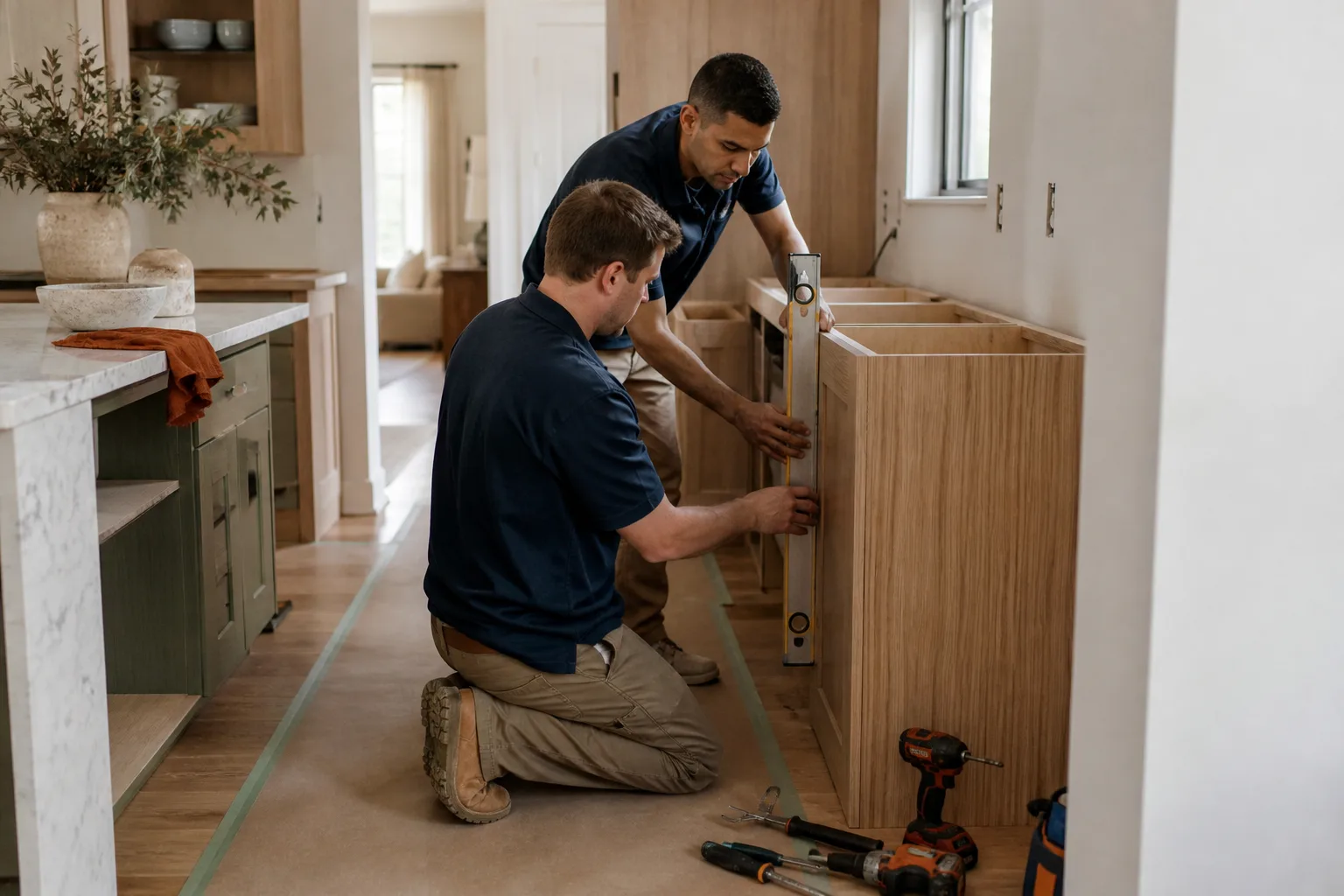
For a home addition or ADU in Fort Worth, the full project range referenced at the top of this page is $45,000 – $130,000. A kitchen addition that includes Silestone countertops, cabinet installation, and finishes typically runs $45,000 – $130,000; the same scope in a compact ADU kitchen might come in at the lower end, while a full detached ADU with Silestone surfaces in both the kitchen and bath pushes toward the higher end. Countertop-only work is a smaller line item: $2,000 – $6,500 installed. Cabinet installation runs $4,000 – $13,000. We write the full scope down before any work starts so the piece you are reading on paper is the piece you are signing, and the final invoice matches that number.
Every Silestone-related job includes the stone work, the substrate and cabinet support work behind it, silicone seam kits where Silestone’s own adhesives are called for, edge finishing, and cleanup. We photograph the cleanup before the crew leaves, every time. The 365-Day Done Right Promise covers the completed project: if the seam separates or the edge fails within the year, we make it right. That promise is on every Elmstead Remodeling Fort Worth project, not just the big ones.
DIY or Call Us?
Here is the honest split. If you have a wobbly faucet plate, check whether the mounting nut under the counter has loosened; that is a fifteen-minute fix with a basin wrench and no stone work. If you have a seam that has opened up, do not reach for hardware-store silicone. Silestone seams are bonded with a two-part adhesive matched to the slab’s resin batch, and a generic caulk line will look wrong within weeks and complicate the proper repair later. The same caution applies to leveling: the issue is almost never the stone. It is the cabinet, the floor framing, or both. Leveling a counter without addressing what moved underneath wastes the job you are paying for.
None of this requires you to touch high-voltage or structural work yourself, but the stone handling itself is heavy and unforgiving. A dropped Silestone slab does not just crack; it kicks back. We would rather you call us at (682) 708-9180 and let us look at the seam, the cabinet line, and the slab before you spend a weekend on a repair that fights you.
FAQs
A properly installed Silestone quartz surface lasts 20 to 30 years on a stable cabinet run. In Fort Worth, the limiting factor is usually the substrate and soil movement beneath the addition, not the stone itself. Call (682) 708-9180 and we will look at the whole assembly, not just the slab.
A hairline crack can sometimes be reinforced with a color-matched resin repair, but a full-thickness crack through a slab is a replacement candidate. The honest answer depends on where the crack sits, and we will tell you before any money changes hands.
A seam repair or edge fix is typically one visit, often a few hours. A full counter replacement within an existing addition runs a day or two once the slab arrives from the fabricator. We schedule noisy work outside school-pickup and nap hours where we can, which matters when the family is living in the house during the job.
We carry Silestone seam kits, sink brackets, edge profile stock, and undermount adhesive as standard. We also stock parts for KraftMaid, Cambria, and Kohler where those intersect with a Silestone project. If the slab lot requires a specific tint, we order it before the crew arrives.
Written by Graham Stein, Owner, Elmstead Remodeling Fort Worth at Elmstead Remodeling Fort Worth, serving Fort Worth and nearby areas.


