

Free written scope consultation - allowances, timeline, and change-order rules on paper before a single trade is scheduled
CGI Home Additions & ADU: The Fort Worth Owner’s Guide
When a CGI home addition or ADU component fails, the fix usually costs between $45,000 and $130,000 in Fort Worth, depending on whether we’re repairing a section or rebuilding a structural element. Most Fort Worth owners discover the problem the same way: a door stops closing square, a seam opens where the addition meets the original house, or a floor develops a soft spot after a rainy spring. We stock the common CGI-compatible hardware and can typically start within days, not weeks, on urgent structural repairs.
CGI homes and ADU units are built around specific panel systems, connection hardware, and flashing details that don’t always match what you’ll find at a local lumberyard. That matters when a part fails, because a generic replacement can compound the problem rather than fix it. We’ve worked on enough CGI structures across Fort Worth, from Crestline to Wedgwood, to know which parts are worth salvaging and which need full replacement.
Which CGI Models This Applies To
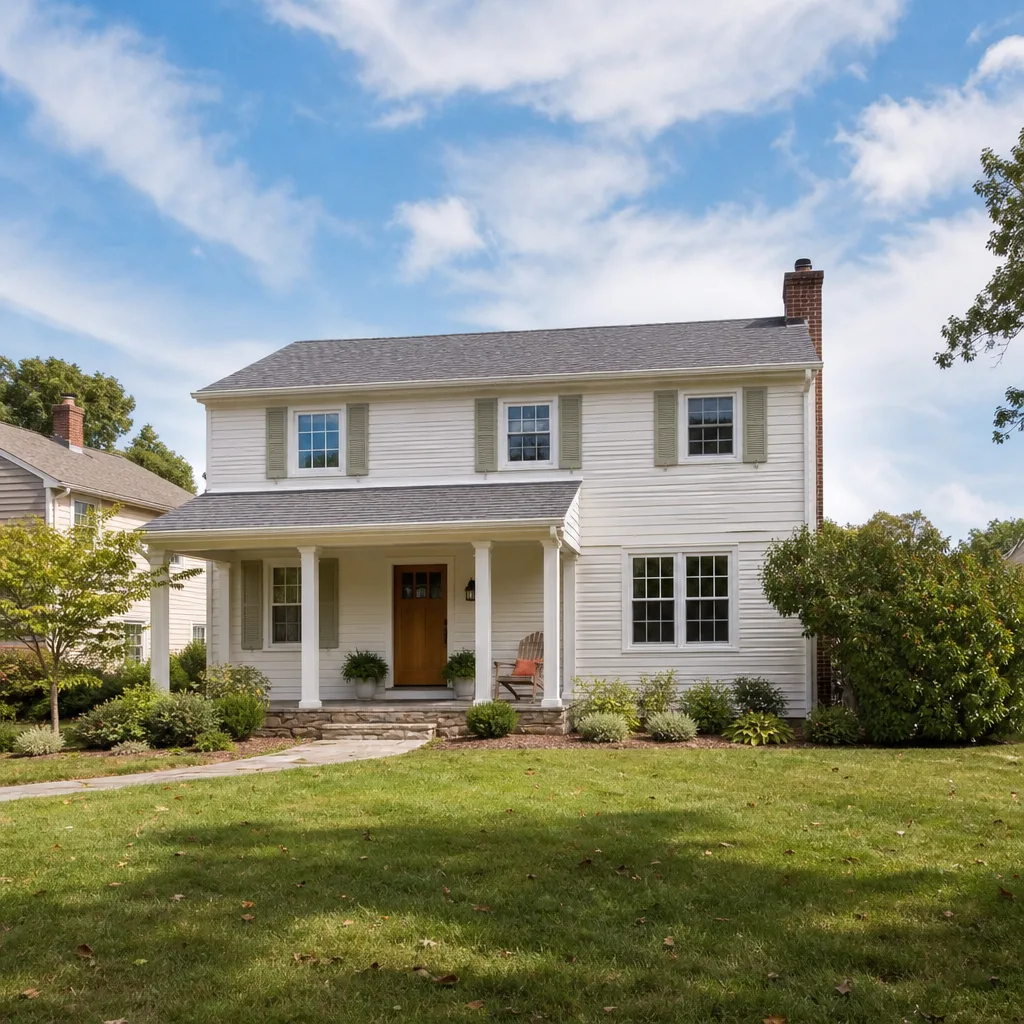
CGI home additions and ADUs generally fall into two construction generations. Older units, built before roughly 2015, use heavier-gauge steel connectors at the roofline and sill plates, while newer builds shifted to a hybrid panel-and-post system that’s lighter but more sensitive to fastener corrosion. The model label is usually stamped on an interior beam near the original entry point or on the electrical panel door frame.
Here’s the compatibility gotcha we see often in Fort Worth: hardware from different CGI years and panel styles is not freely interchangeable. A wall panel from a 2012 unit won’t align cleanly with a 2018 roofline connector, even if both say “CGI” on the label. We match parts by measuring the panel thickness, reading the stamped series code, and photographing the connection points before ordering anything.
When replacement hardware is needed, we prefer genuine OEM CGI components where they’re available and still being manufactured. For discontinued parts, we’ve had solid results with a small set of aftermarket brackets and flashing pieces that hold up to North Texas weather: hot summers, freeze-thaw cycles, and the occasional hail storm. We’ll walk you through the OEM-versus-aftermarket decision in plain terms before any order goes in.
Styles & brands we work with







Signs Your CGI Home Additions & ADU Is Failing
- Doors that stick or drag in the addition. This usually points to settling or a shifting connector at the foundation line. In Fort Worth’s clay-heavy soil, seasonal expansion and contraction puts constant stress on the connection between the original house and the CGI addition.
- Visible gap or crack where the addition meets the main house. This is the most common CGI failure point. The transition seam takes the brunt of differential settling, and once a gap opens, water follows. We’ve repaired this enough times in neighborhoods like Ryan Place to know it’s almost never just cosmetic.
- Soft spots in the floor near exterior walls. This often means moisture has worked its way past the flashing or a seal has failed at the sill plate. By the time the floor feels soft underfoot, the underlying issue has been developing for months.
- Recurring drywall cracks in the same spot after each repair. If you’ve patched a crack twice and it keeps coming back, the framing or panel behind it is moving. That movement is telling you something specific about the structure, and patching over it again won’t change the outcome.
- Increased heating and cooling bills in the addition only. A failing CGI panel or seam can quietly destroy the air seal, letting conditioned air escape. We often see Fort Worth owners catch this first on their utility bill before they see any visual damage.
Replacement Cost & What’s Included
| Scope of Work | Typical Fort Worth Installed Cost |
|---|---|
| Seam repair between existing home and CGI addition | $4,000 – $12,000 |
| Panel replacement (single wall section) | $8,000 – $18,000 |
| Sill plate and flashing replacement | $6,000 – $15,000 |
| Structural connector replacement (roofline or foundation) | $10,000 – $25,000 |
| Full CGI addition rebuild or major reconstruction | $45,000 – $130,000 |
The range depends on access, how much of the original structure can be salvaged, and whether we’re dealing with one failed part or several related failures. Every Fort Worth job starts with a written price before any work starts, covering parts, labor, permits, and clean-up. You’ll see exactly what you’re paying for before a single tool comes off the truck. And every completed repair carries our 365-Day Done Right Promise: if it’s not done right, we make it right.
See the difference
 Before
 After
After Before
 After
After Before
 After
AfterDIY or Call Us?
There’s a reasonable middle path here, and it starts with what you can check safely. Walk the perimeter of your addition and note any visible gaps, cracked caulk lines, or spots where the paint is bubbling. Take photos. Check doors for drag. None of that requires a ladder or a tool.
What you should not do is attempt to repair a CGI structural connector, pull a wall panel, or re-flash a roofline seam yourself. These systems are under load, and a failed or incorrect repair can cause the addition to shift unexpectedly. We’ve also seen DIY fixes with off-the-shelf flashing that trapped moisture and made the original problem worse. If you suspect a structural issue, call us at (682) 708-9180. We’ll come look, tell you what we see, and give you a written price before any work begins.
FAQs
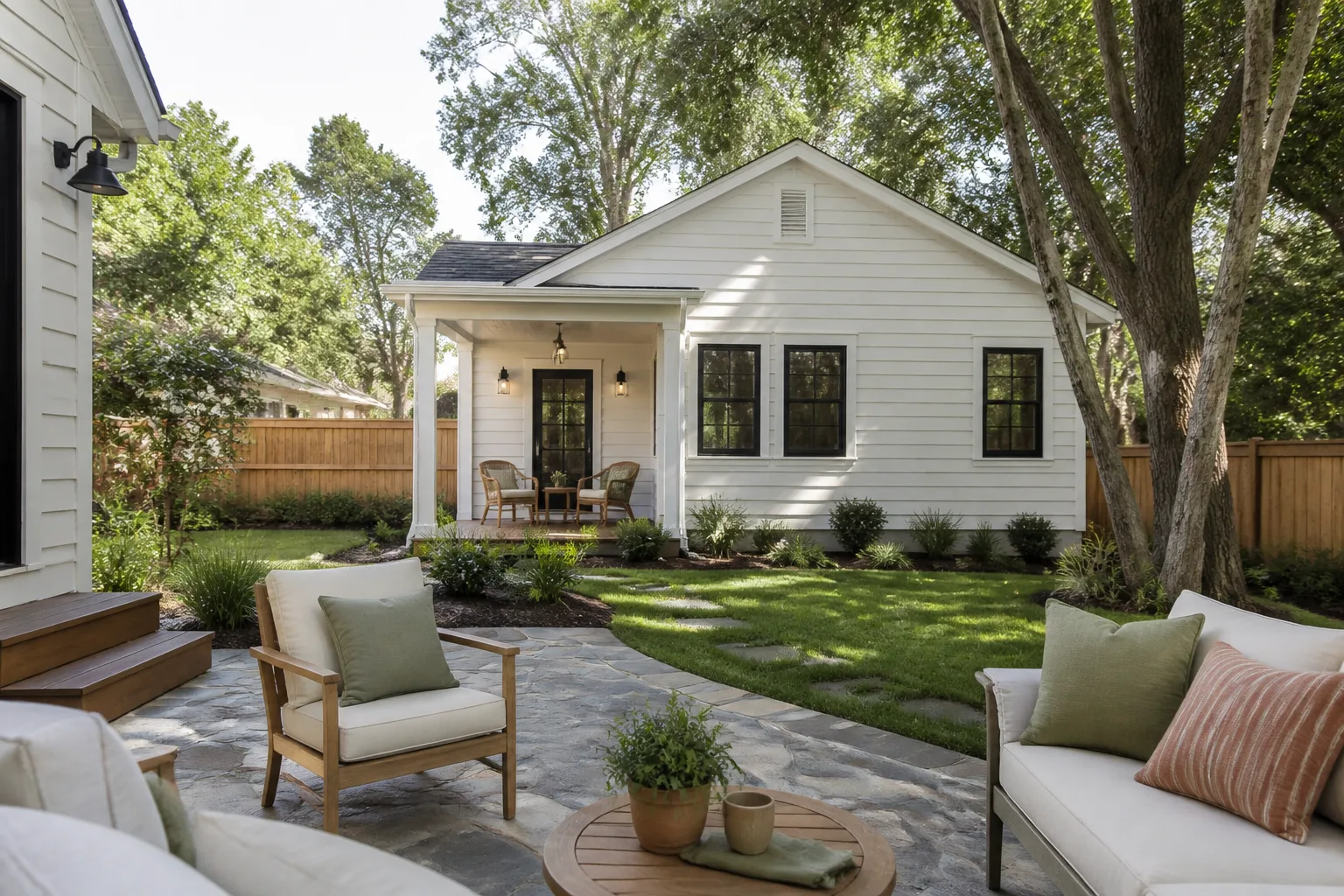
With proper maintenance and attention to the transition seam, a CGI addition or ADU in Fort Worth typically lasts 40 to 60 years before major structural components need replacement. The North Texas climate, especially the clay soil movement and summer heat cycles, shortens the lifespan of seals and flashing compared to more stable regions. Call (682) 708-9180 if you’d like us to assess the condition of your specific addition.
Some components can be repaired rather than replaced, particularly seals, flashing, and minor surface issues caught early. Structural connectors and load-bearing panels generally need full replacement once they’ve failed, because they cannot be reliably reattached in the same position. We’ll always tell you which option applies to your situation before any work is scheduled.
Most seam repairs and flashing replacements take 2 to 5 working days, while panel or connector replacements typically run 5 to 10 working days depending on access and whether parts are in stock. We schedule demolition and noisy work outside school-pickup and nap hours when families are living in the house during the project.
We keep common CGI connectors, flashing profiles, and sealants on our service trucks, along with hardware for KraftMaid, Cambria, and Silestone systems we install. For specialized or older CGI parts we source them directly from the manufacturer or our vetted aftermarket suppliers, usually within a few days for Fort Worth projects.
Get a Written Price for Your CGI Addition or ADU Repair
If you have a CGI home addition or ADU in Fort Worth that’s showing signs of trouble, the next step is a simple one. Call us at (682) 708-9180 and we’ll schedule a time to look at it. You’ll get a written price before any work starts, the crew will protect your floors with drop cloths and wear shoe covers at the door, and we’ll photograph the clean-up before we leave. Graham Stein writes every scope of work down before the tools come out, because his rule is simple: the written price and the final invoice should read the same – if they don’t, that’s on us to explain before we hand you a pen.
Written by Graham Stein, Owner, Elmstead Remodeling Fort Worth at Elmstead Remodeling Fort Worth, serving Fort Worth and nearby areas.


