
Free written scope consultation - allowances, timeline, and change-order rules on paper before a single trade is scheduled
CWS Home Additions & ADU: The Fort Worth Owner’s Guide
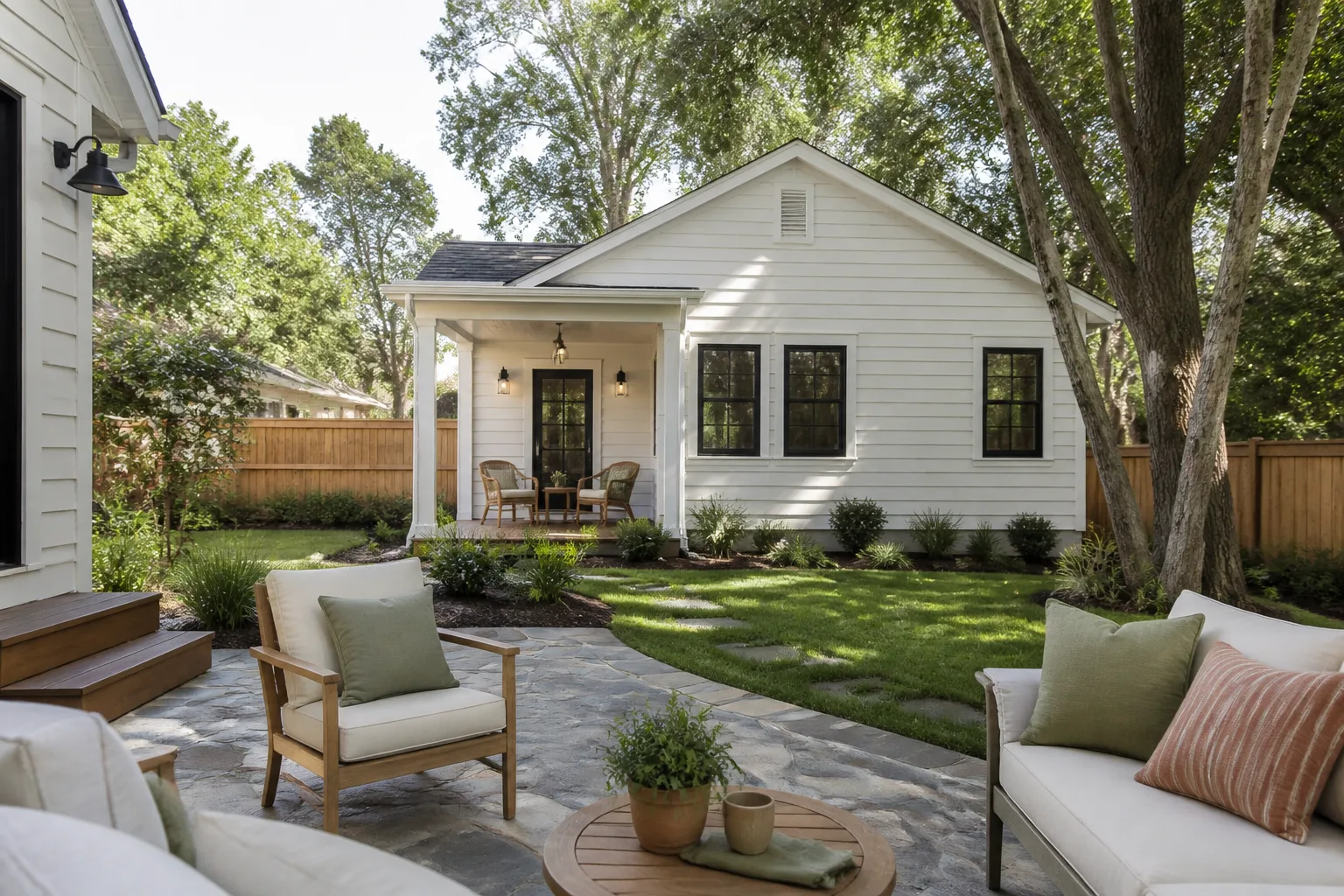
If you have a CWS home addition or ADU project and a critical component has failed or is underperforming, here’s what you should know: Elmstead Remodeling Fort Worth installs and repairs CWS-compatible home additions and ADU systems, and most Fort Worth homeowners will spend between $45,000 and $130,000 for a full replacement or new build, with ADU-specific work running higher at $90,000 to $220,000. We answer the phone live at (682) 708-9180, and we’ll give you a written price before any work starts. Most owners discover the problem through visible water intrusion at a seam, doors that no longer close square, drywall cracks spreading from a corner, or an HVAC zone that suddenly can’t hold temperature in the new space.
The honest reality with CWS home additions and ADUs in North Texas is that the expansion joint where the addition meets the original structure is almost always the first point of failure. Clay soil expands and contracts through our wet springs and dry summers, and that movement concentrates right at that connection line. We’ve worked on homes from Fairmount to the Cultural District, and the pattern holds.
Which CWS Models This Applies To
CWS home additions and ADUs are built in a few distinct construction series, and the part you need depends on which series your project belongs to. The most common in Fort Worth are the CWS Signature series (typically site-built additions with custom tie-in detailing), the CWS Flex series (modular or panelized ADU structures), and older CWS Classic builds from the early 2000s that used a different flashing and sealant system at the roofline and foundation transition.
Here’s the compatibility gotcha most homeowners don’t know: CWS switched their tie-in flashing spec around 2016, moving from a butyl-based sealant to a polyurethane hybrid with a wider 6-inch profile. If your addition predates that change, many of the current OEM sealant and flashing components designed for the newer profiles will not seat correctly without retrofitting the connection channel. Don’t buy parts blind based on the CWS name alone. You’ll want to check the label on the inside of the main junction box or the original permit paperwork, then measure the flashing width at the roofline. We stock OEM CWS parts for both generations, plus quality aftermarket equivalents from manufacturers like GAF and James Hardie where the spec allows and the warranty carries through.
Styles & brands we work with







Signs Your CWS Home Additions & ADU Is Failing
- Water staining at the ceiling junction where the addition meets the original house. This almost always means the tie-in flashing has lifted or degraded, and the butyl or polyurethane seal has lost its bond. Left alone, it goes from a cosmetic stain to rotted sheathing within one Fort Worth rainy season.
- Doors inside the new space that stick at the top corner or won’t latch. The door frame itself is telling you the addition has settled unevenly. In our clay soil, differential settlement between the original foundation and the new slab is the usual cause, and it gets worse year over year.
- Cracking drywall along the ceiling seam of the addition, especially in summer. When the attic above the addition gets hot and the framing expands, any rigid point in the connection becomes a crack. This is common with CWS Classic builds that used a stiffer cross-brace detail.
- HVAC runs that never quite keep up in the new square footage. Either the original system was sized for the old footprint, or return air wasn’t properly extended into the addition. It’s not a failing part in the traditional sense, but it’s the most-requested correction we handle on CWS projects in Fort Worth.
- Exterior gap opening at the foundation line, large enough to see the sill plate. The expansion and contraction cycle has walked the addition slightly off its original bearing. This one is worth a call sooner rather than later, because the gap becomes a channel for water and pests.
See the difference
 Before
 After
After Before
 After
After Before
 After
AfterReplacement Cost & What’s Included
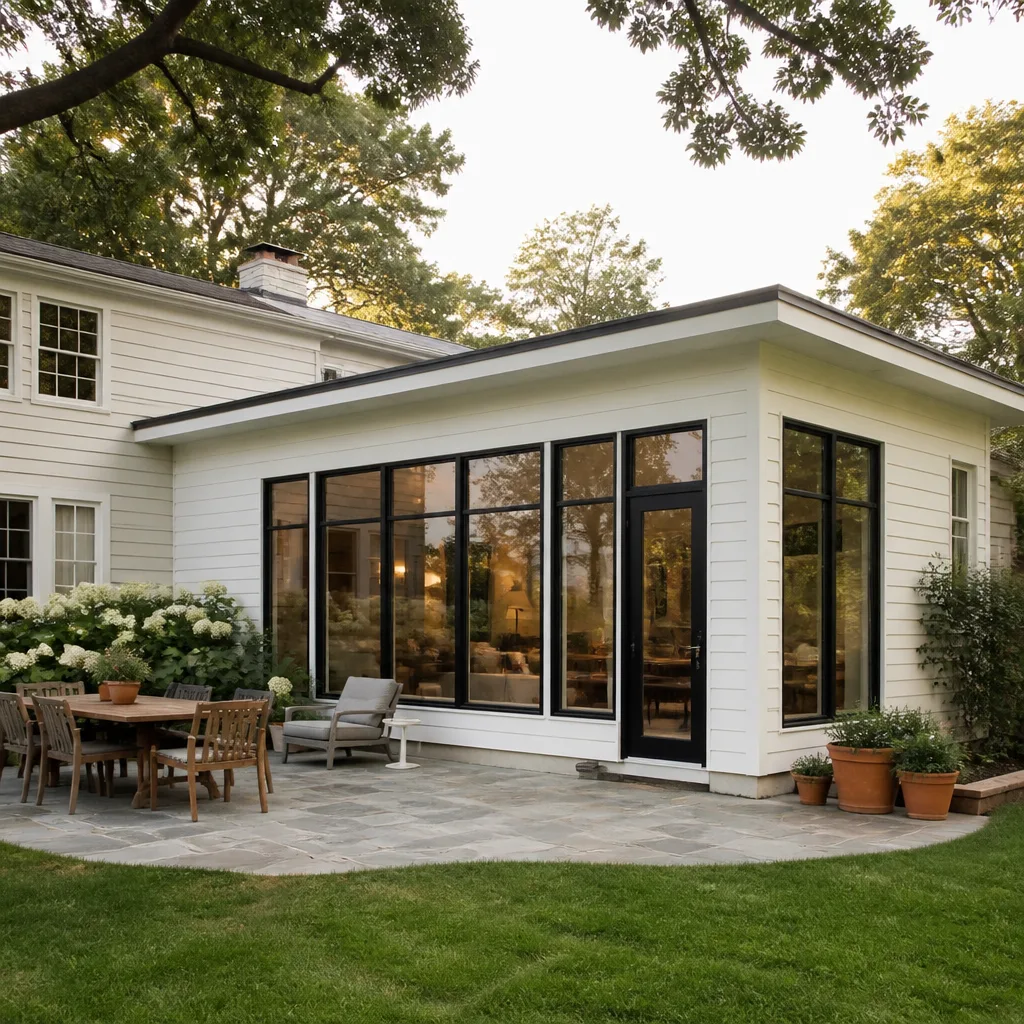
For a CWS home addition or ADU replacement in Fort Worth, you’re looking at $45,000 to $130,000 for most scope, with full detached ADU construction running from $90,000 to $220,000. That range isn’t vague on purpose. The driving factors are the size of the tie-in, whether the roof system needs to be opened, whether foundation work is required to stabilize differential movement, and whether the existing CWS flashing can be retrofitted or must be replaced in full.
What you get from Elmstead Remodeling Fort Worth is a written line-item price before a single tool comes off the truck. That price includes the replacement components (OEM CWS or specified aftermarket from GAF or James Hardie), all labor, drop cloths and shoe covers on every visit, a photo of the clean-up before the crew leaves, and a 365-Day Done Right Promise. If the tie-in is not done right, we make it right. Named-brand materials carry their own manufacturer warranties on top of our workmanship.
| Scope | Fort Worth Installed Range |
|---|---|
| Full CWS home addition tie-in replacement | $45,000 – $130,000 |
| Complete ADU construction (detached) | $90,000 – $220,000 |
| Garage conversion to living space | $30,000 – $80,000 |
| Flashing and sealant retrofit at existing tie-in | Included in scope above or quoted separately |
DIY or Call Us?
Some things you can check safely on your own: the width of the flashing at the roofline, visible gaps at the foundation, and whether the original CWS documentation lists a pre-2016 or post-2016 spec. That information helps us quote the right fix before we arrive. What you should not do is attempt to reseal a failing tie-in yourself. The roofline and the transition area are structural, frequently accessed by ladder, and involve sealant chemistry that must match the original material or it fails again inside a year. We’re not trying to scare you; we just don’t want you up a ladder with a caulk gun and an uncertain spec. This is one of those jobs where the written price and the final invoice should read the same, and calling (682) 708-9180 gets you that quote without a guessing game.
FAQs
The structural shell of a CWS addition or ADU should last 50-plus years if the tie-in and flashing are maintained, but the sealant at the connection typically needs replacement every 10 to 15 years in North Texas due to clay soil movement and summer heat. If you’re past that window, call us at (682) 708-9180 and we’ll assess yours before it becomes a water problem.
Many tie-in failures can be repaired with a flashing and sealant retrofit, especially if the framing and sheathing haven’t been exposed to water for long. If the inspection shows rot or significant differential settlement, the repair scope expands and we’ll show you exactly why in the written quote.
A tie-in retrofit typically runs one to three days depending on access and roof complexity. A full addition or detached ADU build is a multi-week project, and we schedule noisy demolition outside school-pickup hours when your family is still living in the house. For an exact timeline, call (682) 708-9180 and we’ll map it out.
We carry OEM CWS flashing, sealant, and junction components for both pre-2016 and post-2016 specs on our service vehicles, plus aftermarket equivalents from GAF and James Hardie when the warranty situation calls for them. If you also need kitchen or bath fixtures as part of the project, we’re aligned with brands you can research: KraftMaid, Cambria, Silestone, Kohler, and Moen among them. Call ahead and we’ll confirm what’s on the truck for your exact model year.
Written by Graham Stein, Owner, Elmstead Remodeling Fort Worth at Elmstead Remodeling Fort Worth, serving Fort Worth and nearby areas.


