
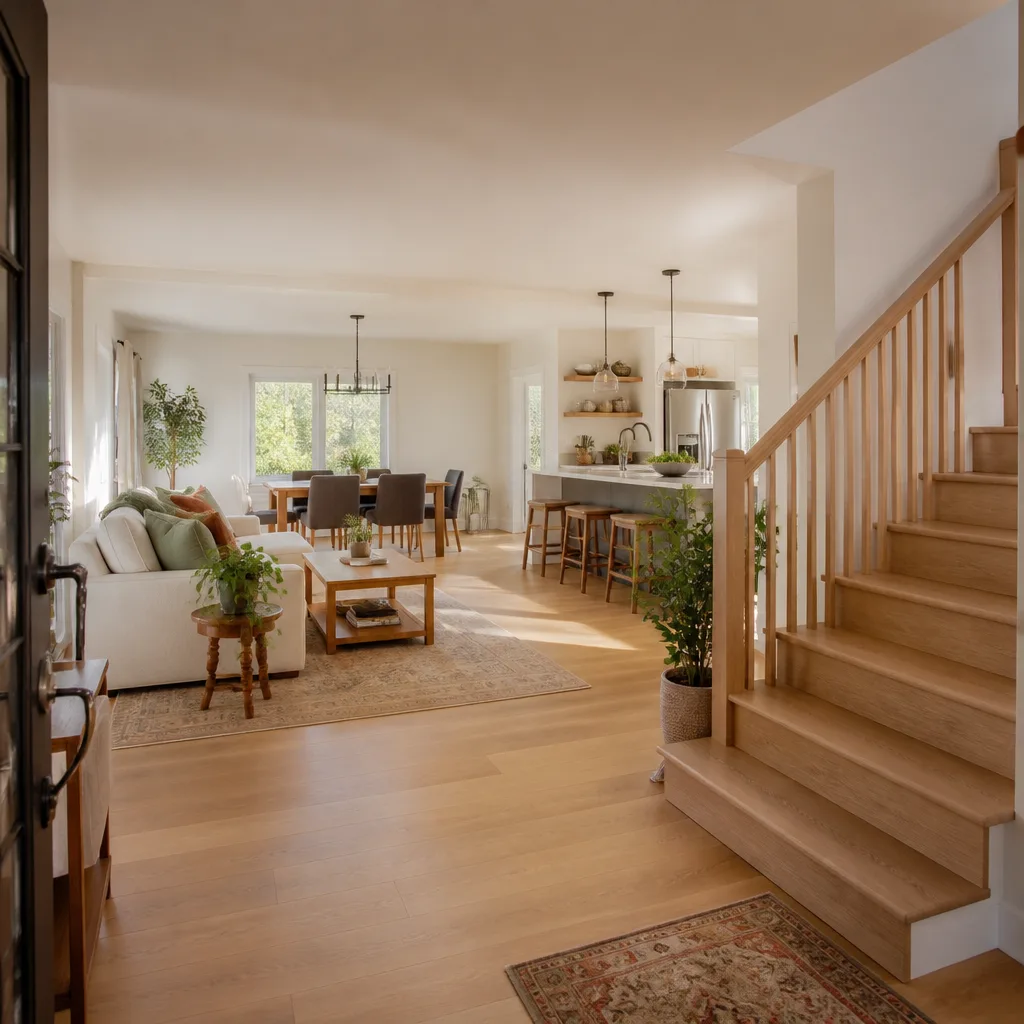
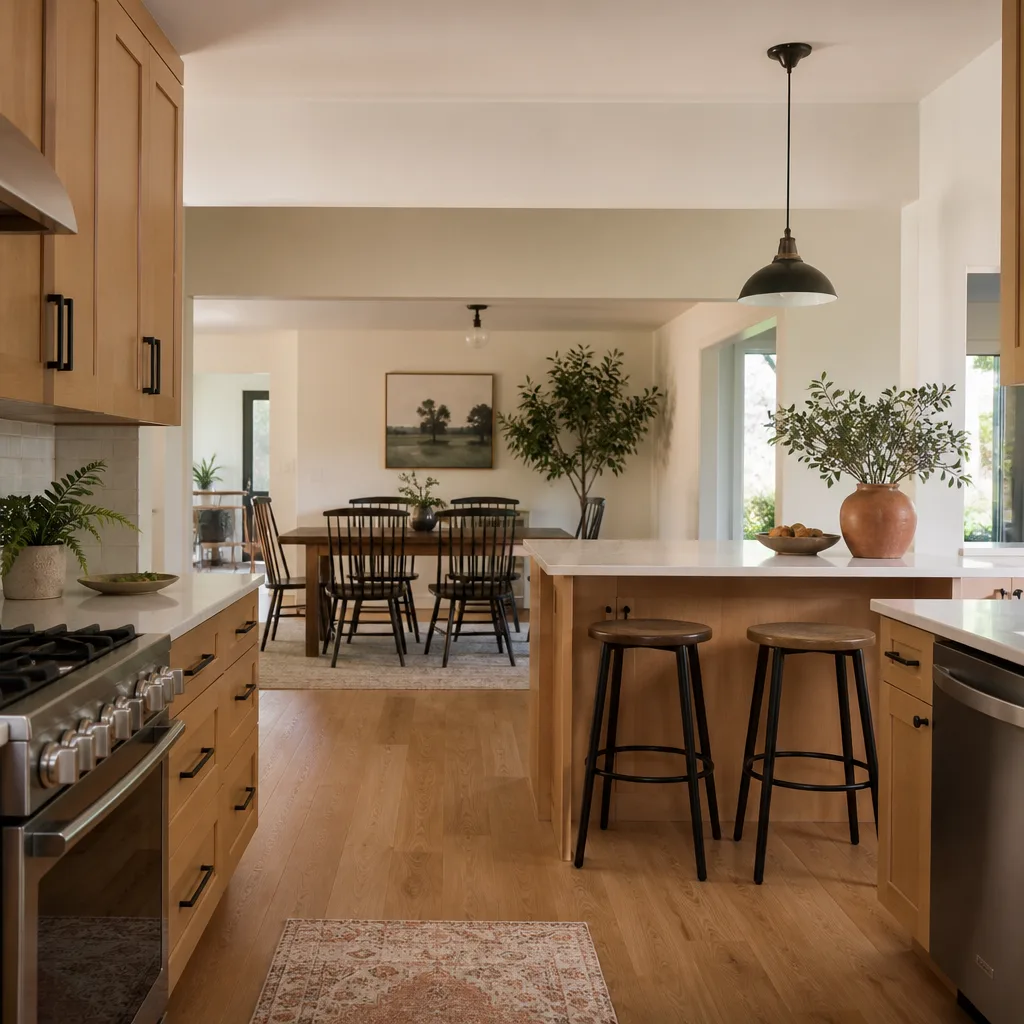
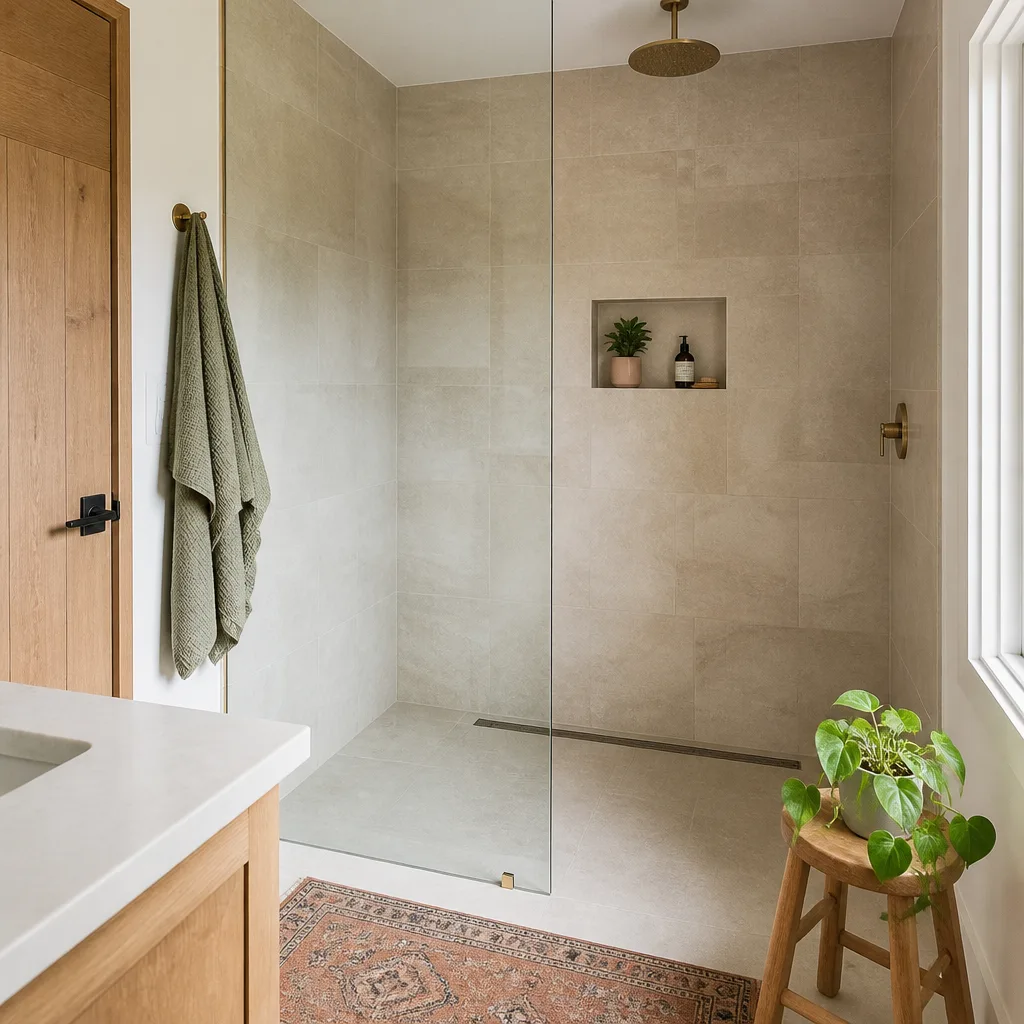
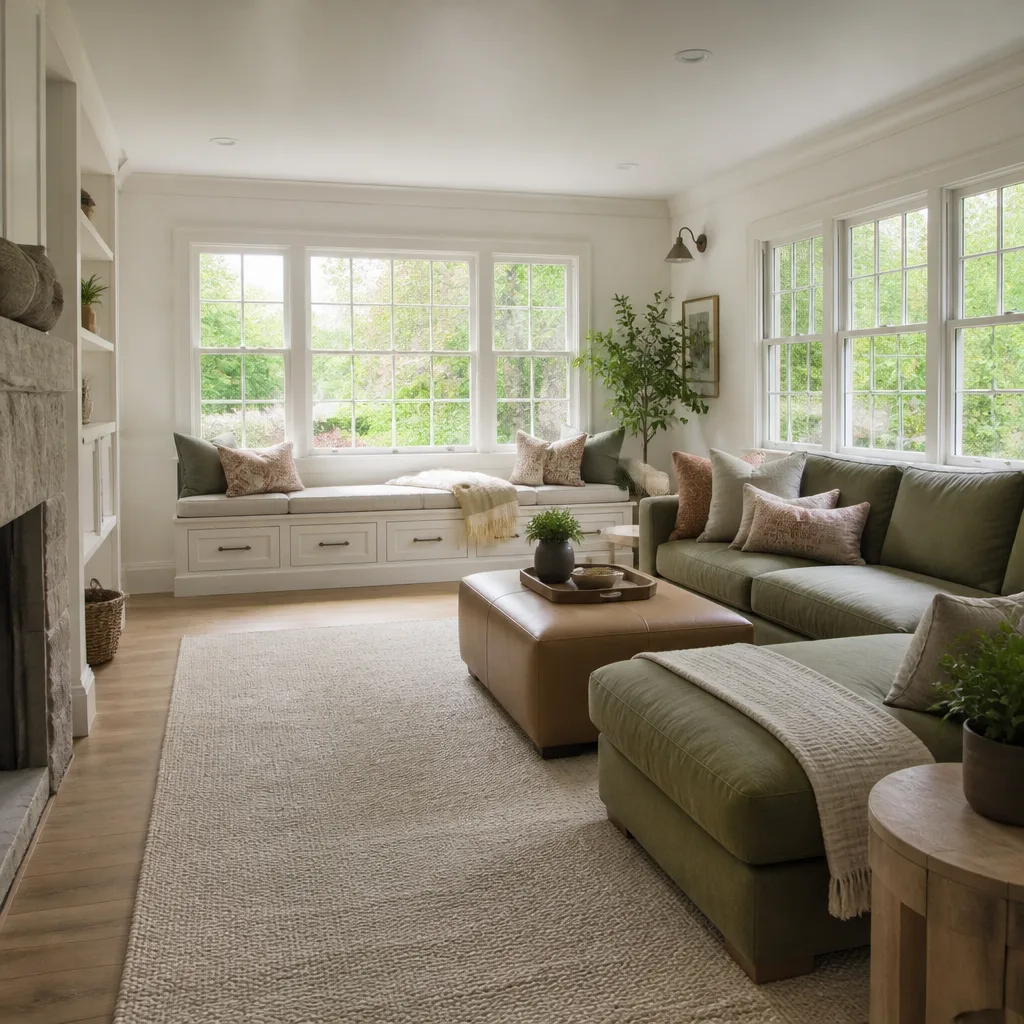
Free written scope consultation - allowances, timeline, and change-order rules on paper before a single trade is scheduled
ActiveYards Home Additions & ADU: The Fort Worth Owner’s Guide
If you’re planning a home addition or ADU that needs to integrate with an existing ActiveYards outdoor structure, we can help. Elmstead Remodeling Fort Worth designs and builds additions and ADUs that tie into ActiveYards-compatible layouts, with most projects in Fort Worth ranging from $45,000 to $130,000 depending on square footage, foundation work, and finish level. We’re an independent contractor, not affiliated with ActiveYards, but our crews work with their panel profiles and post dimensions regularly.
Most homeowners reach out after realizing their existing ActiveYards structure can’t simply be extended on its own. The post spacing is set, the panels are fabricated to specific widths, and the roofline doesn’t match what a new addition would need. That’s the moment a general contractor who knows the product becomes useful. Graham Stein has been building additions in Fort Worth neighborhoods like Fairmount, Ryan Place, and Arlington Heights long enough to know which ActiveYards configurations adapt cleanly and which ones need a full redesign.
Which ActiveYards Models This Applies To
ActiveYards manufactures aluminum and vinyl fencing, gates, and outdoor structures under several lines, including the ActiveYards Classic, Estate, and Elements series for fencing, plus the Structure series for arbors and pergolas. If your existing structure uses their 5″ or 6″ post profiles, the post spacing and panel reveal dimensions matter when we design the addition. An ADU tied to an ActiveYards perimeter fence or gate typically requires us to match the 5/4″ or 2″ panel rail system so the new work doesn’t look bolted on.
For OEM parts, ActiveYards components are manufactured with a powder-coated aluminum profile that resists the Fort Worth sun differently than vinyl. If your structure is older and you can’t tell whether it’s aluminum or vinyl, one check: aluminum panels have a distinct metallic ping when tapped lightly with a knuckle; vinyl sounds dull. We recommend OEM ActiveYards panels when the existing fence or structure is under warranty, but for additions that fall outside the original system’s spec, quality aftermarket extrusions with the same reveal dimensions often serve the project better and cost less. We carry both options on the truck for most jobs.
Styles & brands we work with







Signs Your ActiveYards Home Additions & ADU Plan Needs Adjustment
Not every addition starts from a clean yard. Sometimes the existing ActiveYards structure dictates what’s possible, and homeowners see the warning signs before they call us:
- Posts have drifted out of plumb. North Texas clay soil expands and contracts through wet and dry seasons, which slowly pushes ActiveYards posts off vertical. A new addition tied to an out-of-plumb post line will pull the whole run crooked within the first year if we don’t reset the posts first.
- Gate frame is binding at the latch. When the gate no longer closes without lifting the frame, the hinge post has moved. Any addition that shares that corner post inherits the problem. We reset the post and often recommend a concrete collar for Fort Worth’s shrink-swell soil conditions.
- Panel rails are bowed between posts. ActiveYards panels are rated for specific spans, and Fort Worth wind loads push the limits on long runs. A bowed rail means the panel was undersized for its span. The addition gives us a chance to add intermediate posts and re-tension the line correctly.
- Fastener corrosion at the post caps. Aluminum holds up well here, but the steel hardware doesn’t. If the post cap screws show rust staining, the interior hardware is likely compromised too. We replace all visible and embedded fasteners with stainless or coated equivalents when we tie in the new work.
- Finished grade has risen against the panel bottoms. Fort Worth properties accumulate soil over time from landscaping and settling. When the bottom rail is buried, water wicks into the panel system and shortens its life. Our additions account for proper clearance from the start.
See the difference
 Before
 After
After Before
 After
After Before
 After
AfterReplacement Cost & What’s Included
In Fort Worth, an ActiveYards-compatible home addition runs $45,000 to $130,000. A garage conversion tied to an existing ActiveYards fence line typically runs $30,000 to $80,000. An ADU built from the ground up with ActiveYards-compatible fencing, gates, and structure integration lands at $90,000 to $220,000. These ranges reflect current Fort Worth market pricing for our trade partners and materials, and we put them in writing before any work starts.
Every project includes the written price, the permit coordination, the foundation or slab work, framing, rough-in, drywall, flooring allowances, fixture allowances using brands like KraftMaid, Cambria, and Silestone where the design calls for them, and final cleanup. The line-item quote separates materials from labor so you can see exactly what you’re paying for. Graham’s signature phrase applies here: “The written price and the final invoice should read the same – if they don’t, that’s on us to explain before we hand you a pen.”
DIY or Call Us?
There’s real work an owner can do before anyone shows up. Measure the existing ActiveYards post spacing between centers. Photograph the post profiles and panel reveals. Check the gate latch operation and note whether the hinges show movement. Those three data points save us a walkthrough’s worth of time and get your estimate out faster.
What you shouldn’t DIY is any structural connection. An addition attached to an ActiveYards structure transfers load through the posts into the soil, and Fort Worth’s expansive clay means that load path has to be designed, not guessed. A post that looks solid can be sitting on only six inches of concrete. That’s a structural failure waiting for the next rain season. For anything involving the gate springs, tension cables, or post extraction, have a trained crew handle it. High-tension gate hardware under full wind load hurts people who get the sequence wrong. Call (682) 708-9180 and we’ll walk the property with you, take our own measurements, and explain what’s structurally sound before anything gets priced.
FAQs
A properly built addition with ActiveYards-compatible materials lasts 25 to 40 years in Fort Worth before major component replacement is needed, though the aluminum panels themselves often outlast the concrete work beneath them. The Texas sun fades vinyl over time but doesn’t structurally degrade aluminum, so we typically recommend aluminum profiles for long runs. Call (682) 708-9180 for a site-specific assessment.
Yes, in many cases we reset posts, replace failed fasteners, re-align gates, and replace individual panels rather than tearing out the whole run. If the existing structure is structurally sound, we price the repair and the addition separately so you see both numbers. Call (682) 708-9180 and we’ll tell you which approach makes sense after we inspect it.
Most ActiveYards-compatible additions in Fort Worth take 3 to 6 months from permit to final walkthrough, depending on foundation type, weather, and inspection schedules. Garage conversions typically run 2 to 4 months. ADUs run 4 to 8 months. We sequence noisy work around school-pickup hours when families are living on site.
We carry common post caps, rail brackets, hinge hardware, and panel clips for the 5″ and 6″ ActiveYards post profiles, plus stainless fastener kits. Special-order items, like custom-lengthed panels or specific powder-coat colors, usually arrive within a week through our local suppliers in the Fort Worth area. Call (682) 708-9180 before scheduling so we can confirm what’s on hand for your specific job.
Written by Graham Stein, Owner, Elmstead Remodeling Fort Worth at Elmstead Remodeling Fort Worth, serving Fort Worth and nearby areas.


