

Free written scope consultation - allowances, timeline, and change-order rules on paper before a single trade is scheduled
James Hardie Kitchen Remodeling: The Fort Worth Owner’s Guide
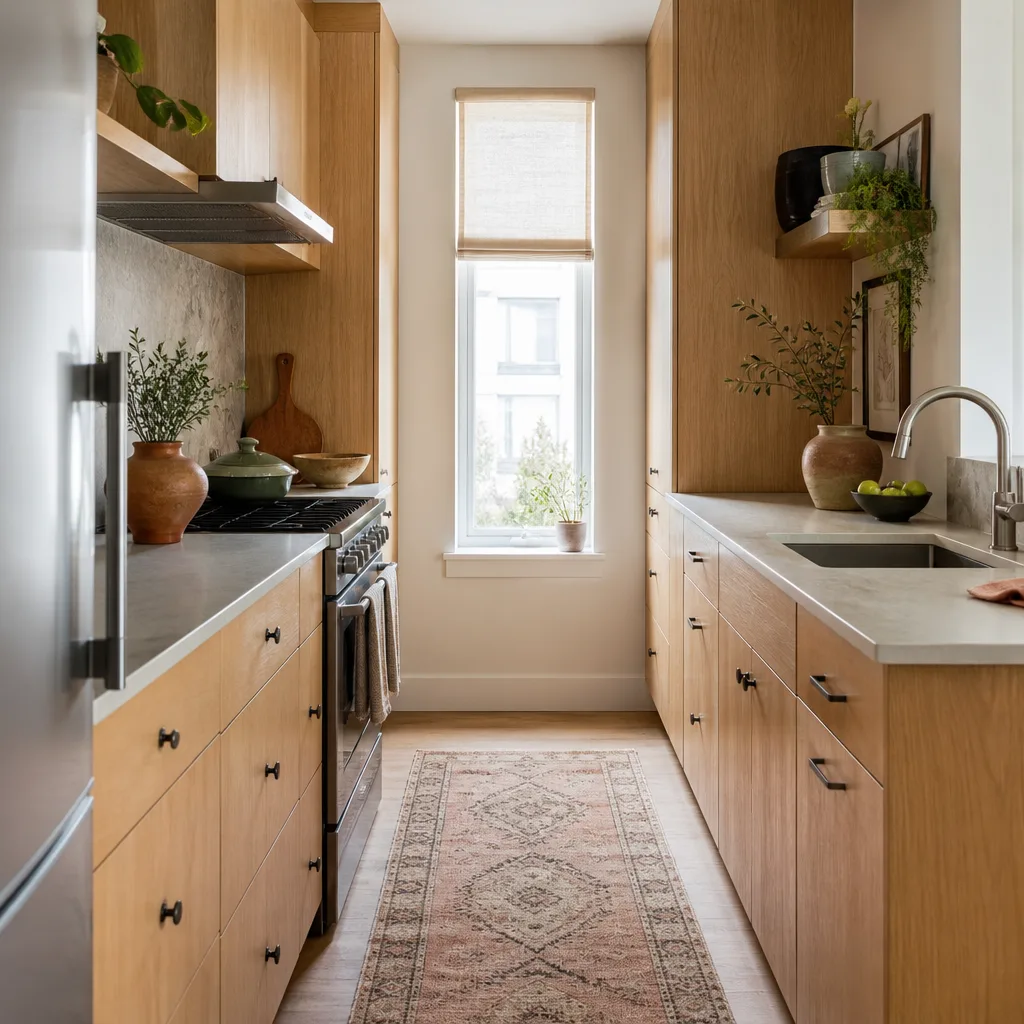
A James Hardie kitchen remodel in Fort Worth typically runs $14,000 to $45,000 installed, and most families start the conversation because one specific surface has finally given out after years of Texas heat, humidity, and daily use. You’ll notice it as cracked caulk lines along the window trim, a soft spot behind the sink base, or HardieBacker board that’s begun to crumble where the dishwasher steam escapes. We stock the full James Hardie line for kitchen work in Fort Worth, and we’ll match your existing material, write the price down before any work starts, and schedule the swap around your family’s actual daily rhythm.
Most Fort Worth homeowners discover the problem the same way: a backsplash tile that won’t sit flush anymore, or a cabinet that doesn’t close square because the substrate behind it has swelled. James Hardie products hold up against North Texas moisture better than standard drywall or particle board, but no material lasts forever in a kitchen that runs three meals a day.
Which James Hardie Models This Applies To
In most Fort Worth kitchens, the James Hardie product behind the remodel is HardieBacker cement board, not HardiePlank siding. They’re different product families. HardieBacker comes in 1/4-inch and 1/2-inch thicknesses for wall applications behind tile and stone, while HardieBacker 500 is the 1/2-inch version specified for countertops and floors. If you’re matching an existing installation, grab a photo of the board edge before it’s covered up; the thickness will tell us which replacement to bring.
For OEM versus aftermarket: James Hardie doesn’t make trim pieces, corner beads, or seam tape under its own name for kitchen use, so those components come from partners we stock like Schluter and USG. That’s not a downgrade; those brands manufacture to the same fire and moisture ratings HardieBacker carries. What matters more is that the board itself says HardieBacker on it somewhere, because that’s the piece your tile warranty may reference. We’re an independent Fort Worth remodeler, not a James Hardie corporate installer, which means we can pull from multiple suppliers to get the right match instead of waiting on one parts channel.
Styles & brands we work with







Signs Your James Hardie Kitchen Remodeling Is Failing
- Grout lines cracking repeatedly in the same spot. The board behind the tile is flexing, usually because the substrate beneath it has absorbed moisture and swelled. Re-grouting buys a few months; the board underneath is what actually needs attention.
- Soft or spongy floor feel near the sink or dishwasher. Water has found a seam and the cement board is saturated. In Fort Worth kitchens from the 1990s and early 2000s, this is often where the original installer skipped the seam tape.
- Tile edges lifting at the countertop backsplash transition. Heat from the stove and steam from the sink cause expansion cycles that eventually break the bond. HardieBacker handles this better than drywall, but the caulk joint at the counter still needs redoing every few years in this climate.
- A musty smell when you open lower cabinets. The board behind the cabinet is holding moisture, and the face of the cabinet is hiding the problem. By the time the smell appears, the affected area is usually bigger than one tile row.
- Cabinet doors that never close square after years of working fine. The framing or the board behind the hinge has shifted. In older Fort Worth homes near the Cultural District with original pier-and-beam foundations, seasonal soil movement complicates this further.
See the difference
 Before
 After
After Before
 After
After Before
 After
AfterReplacement Cost & What’s Included
For the specific work of replacing failed James Hardie substrate in a Fort Worth kitchen, the installed range runs from about $14,000 for a focused repair that includes new HardieBacker, tile reset, and minimal cabinet adjustment, up to $45,000 for a full kitchen rebuild that re-boards every wall surface, replaces the counter base, and updates surrounding materials. The range exists because kitchens differ wildly: a small bungalow in Ridglea has different square footage and demolition access than a newer build near Benbrook.
Every quote includes the board, fasteners approved for cement board, seam tape, and labor. We don’t hand you a parts list and ask you to source anything yourself. The written price Graham Stein puts on the estimate is the price you’ll see on the final invoice, and the 365-Day Done Right Promise means if a seam fails or a board shifts after we leave, we’re back to make it right. No change orders, no surprise line items, no “we discovered something once we opened the wall” without a conversation and a written revision you’ve approved first.
DIY or Call Us?
Cutting cement board is not inherently dangerous the way a garage spring is, but it is genuinely unpleasant. The silica dust from cutting HardieBacker is a respiratory hazard; professionals cut it outdoors with dust-controlled shears or a diamond blade with active water suppression, wearing proper masks. You can safely check a few things yourself: look for visible cracks in grout, feel for soft spots along the floor near the dishwasher, and check whether cabinet doors have shifted. If you find any of those, the repair involves removing tile, cutting out board, and addressing whatever moisture source caused the failure. That’s where most DIY attempts go wrong; people replace the board without fixing the leak behind it, and six months later the same tile is lifting again. Call (682) 708-9180 and we’ll send someone who tracks down the water source before touching the board.
FAQs
When installed over a properly dried and leak-free substrate, HardieBacker board in a Fort Worth kitchen typically lasts 20 to 30 years without failure, which is roughly double what you’d expect from green board or standard drywall in the same conditions. The most common early failure is seam cracking from installer error, not product weakness.
Small areas of cracked grout can be repaired, but once the board itself has absorbed moisture and crumbled, you’re looking at cutting out and replacing that section. Patching over failed board just transfers the problem to the tile above it. Call (682) 708-9180 and we’ll tell you honestly which situation you have before quoting anything.
A focused HardieBacker replacement in one kitchen wall section usually takes two to three days, including tile reset and drying time. A full kitchen re-board runs one to two weeks depending on cabinet and countertop coordination.
We stock 1/4-inch and 1/2-inch HardieBacker board, seam tape, and approved fasteners on our trucks and at our Fort Worth supply location, so most kitchen repairs start the day we arrive. For specialty thicknesses or larger-volume projects, we pull from local James Hardie distributors with next-day availability in the Fort Worth metro.
Ready for a written price on your James Hardie kitchen remodel? Call Elmstead Remodeling Fort Worth at (682) 708-9180. You’ll get a live person, a free estimate, and a detailed scope of work before a single tool comes off the truck. We also work with KraftMaid cabinetry, Cambria surfaces, and Silestone countertops when the project calls for it.
Written by Graham Stein, Owner, Elmstead Remodeling Fort Worth at Elmstead Remodeling Fort Worth, serving Fort Worth and nearby areas.


