
Free written scope consultation - allowances, timeline, and change-order rules on paper before a single trade is scheduled
Boral Home Additions & ADU: The Fort Worth Owner’s Guide
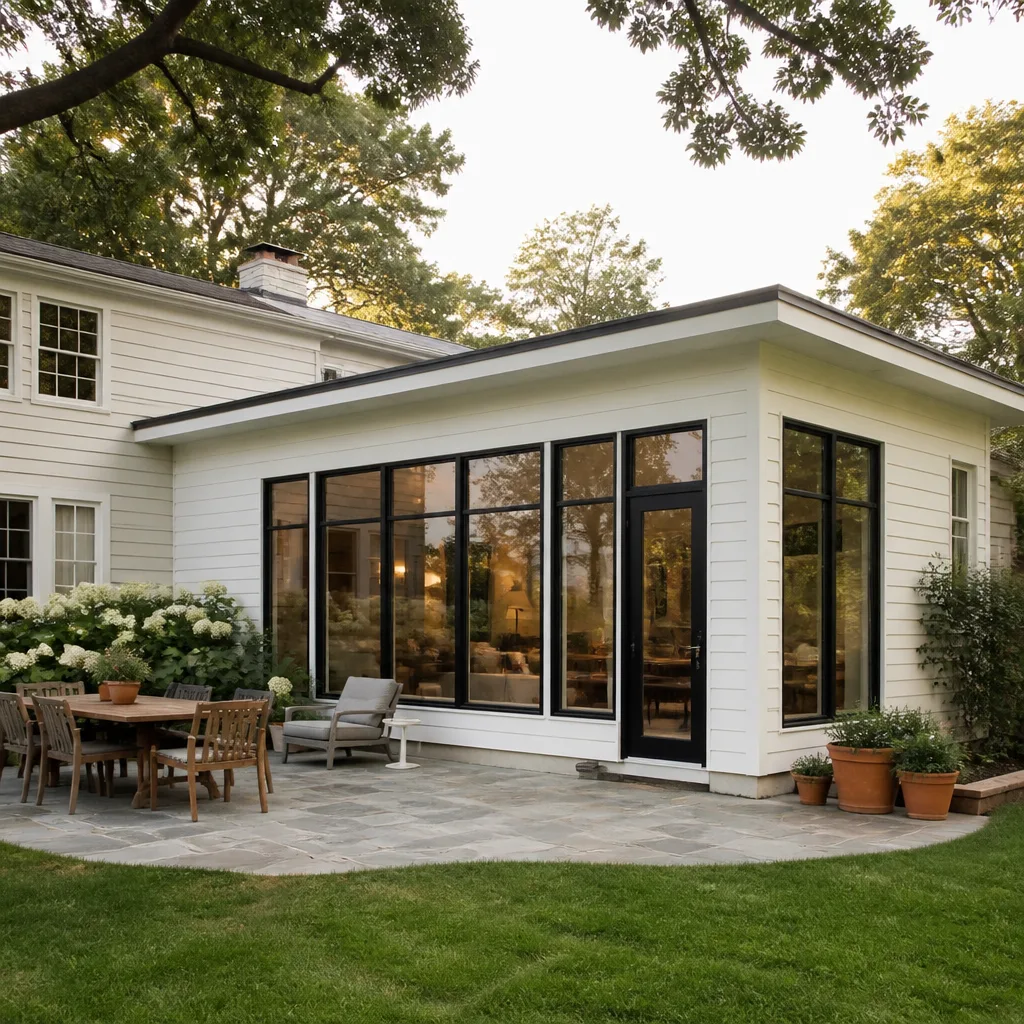
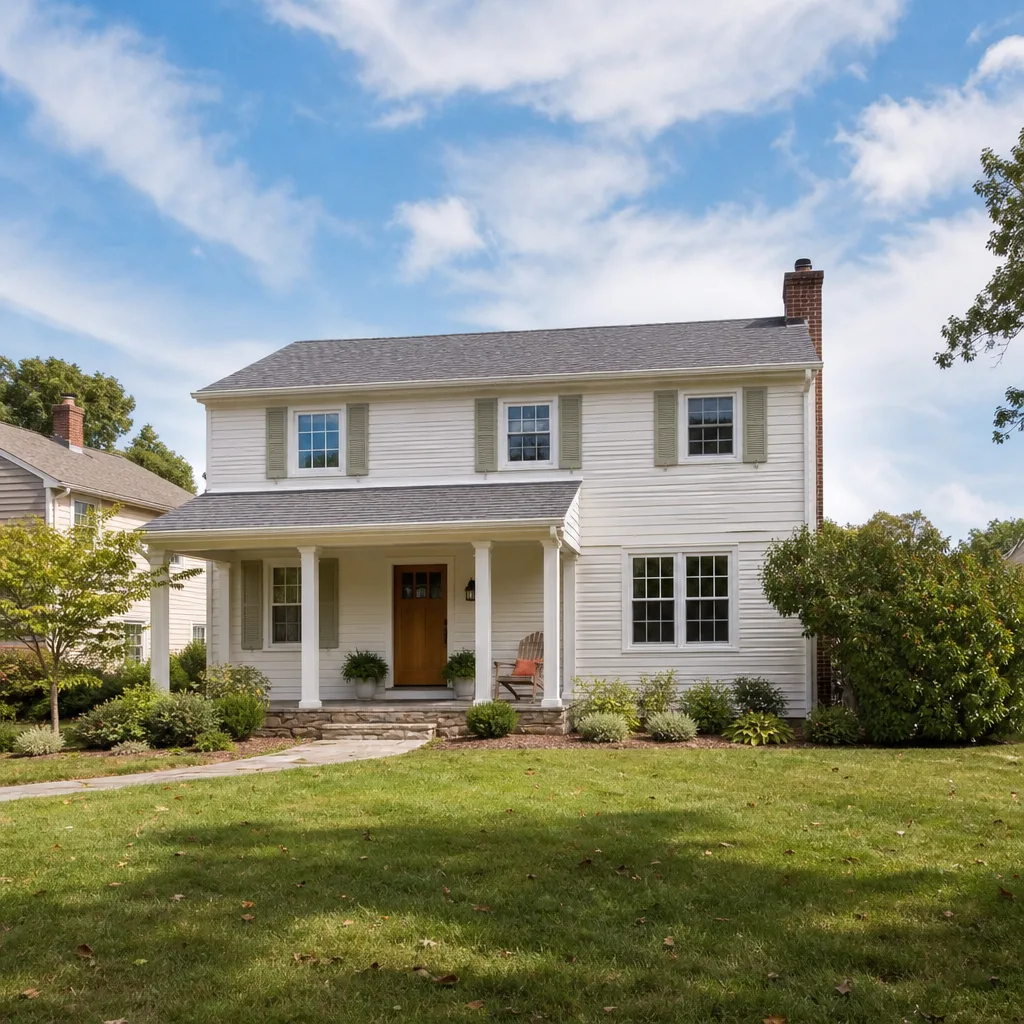
Planning a Boral home addition or ADU in Fort Worth typically runs $45,000 – $130,000 for a full addition, and $90,000 – $220,000 for a detached ADU, depending on square footage, foundation work, and finish level. We install Boral-compatible framing, sheathing, trim, and siding products on additions and accessory dwelling units across Fort Worth, with a written price before any work starts. Most owners reach out after discovering their existing Boral siding or trim has failed on the original structure, and they want the new addition to avoid the same problem from day one.
What we hear most often on first walkthroughs in neighborhoods like Fairmount, Arlington Heights, or Ryan Place is that the original Boral trim boards have swollen at the bottom edges or begun to crumble at the cut ends. The addition itself is the fix, but the material choice determines whether the family is back here in five years. We spend time on that choice because the wrong call costs real money.
Which Boral Models This Applies To
Boral makes a few product lines that behave differently, and matching the right one matters more than most suppliers admit. The main lines we work with on Fort Worth additions and ADUs are TruExterior Trim, TruExterior Siding, and the older Boral trim boards that predate the TruExterior rebrand. TruExterior is a poly-ash product, which means it resists moisture differently than wood, fiber cement, or PVC. The older Boral trim, which some Fort Worth homes still carry from builds in the 2000s and early 2010s, is the one that fails most often, especially where sprinkler overspray hits it or where a mower throws water against the bottom edge for ten years.
To identify what you have, look at the back of a cut edge or a fastener hole. TruExterior has a dense, consistent gray core with no wood grain inside. Older Boral boards look closer to a composite with visible fibers. If you’re not sure, a photo of the board end and the profile shape is enough for us to identify it. For replacements on an addition, we generally recommend TruExterior over older Boral stock, because the poly-ash formula handles Fort Worth’s freeze-thaw cycles and 100-degree August afternoons without the same expansion stress. Aftermarket equivalents exist, but on Boral specifically, the structural difference between poly-ash and cheaper PVC or fiber cement boards changes how the trim holds paint and how long it lasts in direct Texas sun. That’s not a place to save $8 a board.
Styles & brands we work with







Signs Your Boral Home Additions & ADU Is Failing
- Swelling or splitting at board ends: Water wicks into the cut edge where the factory seal was broken during the original install, and Fort Worth’s freeze-thaw cycle widens the split each winter. This is the most common failure we see on Boral trim around window and door openings on older Fort Worth additions.
- Paint peeling in sheets, not chips: When the board face absorbs moisture behind the paint film, the paint lets go in large patches. It’s a sign the board has lost its surface bond, not just that the painter used the wrong primer.
- Crumbling or soft spots at the bottom edge: Sprinkler overspray is the usual culprit in Fort Worth, particularly in neighborhoods with St. Augustine lawns where irrigation runs daily in summer. The bottom 6 inches of the board takes the hit.
- Visible fastener pops or rust streaks: When a Boral board moves with temperature swings, the fasteners work loose. Rust streaks at the nail heads mean moisture has been sitting inside the fastener channel, which tells you the board has been wet for a while.
- Gaps opening at miters and butt joints: Poly-ash expands and contracts, but older Boral formulations had a wider thermal range. Gaps that open in winter and close in summer are normal. Gaps that stay open year-round mean the board has given up.
See the difference
 Before
 After
After Before
 After
After Before
 After
AfterReplacement Cost & What’s Included
For Fort Worth home additions and ADUs, the numbers you need are these: a full home addition runs $45,000 – $130,000, an ADU runs $90,000 – $220,000, and a garage conversion runs $30,000 – $80,000. Within those ranges, the Boral-related trim, siding, and exterior finish package usually accounts for $8,000 – $22,000 of the total, depending on the number of openings, the amount of trim, and whether we are wrapping existing structure or starting fresh.
The written price we hand you before any work starts includes the Boral or TruExterior material, fasteners, flashing, labor, and the clean-up: drop cloths down, shoe covers on, a photo of the finished clean-up before the crew leaves. It also includes our 365-Day Done Right Promise. If something is not done right on your Fort Worth addition or ADU, we make it right. No change orders, no surprise line items. Graham Stein writes every scope of work down before a single tool comes off the truck, so you know what you’re approving line by line.
DIY or Call Us?
You can check your own Boral trim for the symptoms above without touching a ladder. Walk the perimeter, look at board ends, look for rust streaks, feel for soft spots at the bottom edge. That’s useful information for us to have before we visit. What you shouldn’t do is cut into or remove structural trim on a load-bearing wall without understanding what’s behind it, because Boral trim on a Fort Worth addition often hides flashing details that are doing real waterproofing work. Pulling a board the wrong way can tear the flashing, and now a trim problem becomes a water intrusion problem.
If the area in question is near a roofline or requires work above the first story, call us at (682) 708-9180. We’ll walk it together and you’ll get a written price before anything is scheduled.
FAQs
TruExterior trim installed with proper flashing and gap spacing typically lasts 25 to 30 years in North Texas, while older Boral boards from the pre-2010 era often show failure at 12 to 18 years due to the wider thermal expansion range. The difference comes down to the poly-ash formula, not the install quality. Call (682) 708-9180 and we’ll tell you honestly which one you have.
In limited cases, a single board with minor end swelling can be cut back, re-flashed, and spliced, but if the bottom edge is crumbling or fastener channels are rusting, patching buys you months, not years. On an addition you’re already building, replacement board cost is minor relative to the cost of doing it twice.
A full home addition in Fort Worth typically takes 4 to 8 months depending on foundation, permitting, and the finish level, while an ADU usually runs 5 to 10 months. The permitting queue in Fort Worth varies by scope, and we pull every permit and schedule the inspections for you.
We stock common TruExterior trim profiles, and order the project-specific boards, corner posts, and siding panels per job so you’re not paying for material sitting in our shop. We also work with named-brand partners like KraftMaid, Cambria, and Silestone when the project includes interior finishes.
Written by Graham Stein, Owner, Elmstead Remodeling Fort Worth at Elmstead Remodeling Fort Worth, serving Fort Worth and nearby areas.


