
Free written scope consultation - allowances, timeline, and change-order rules on paper before a single trade is scheduled
Cambria Home Additions & ADU: The Fort Worth Owner’s Guide
If you’re planning a home addition or ADU in Fort Worth and want Cambria quartz on the counters, vanities, or wet bar, the installed project typically runs $45,000–$130,000 for the addition, with Cambria surfacing priced into the countertop line rather than as a separate part. We install Cambria quartz as a named-brand surface across home additions and ADUs in Fort Worth, and we can usually get the slab templated and scheduled within two to three weeks once the cabinet bases are set. Most Fort Worth homeowners call us when they’ve already bought the Cambria slab or picked a color at a showroom, and they want a contractor who won’t substitute a lesser stone or change the number after the crew shows up.
What usually brings a homeowner to this page: they’re mid-planning on a room addition or backyard ADU, they’ve fallen for a specific Cambria design (Brittanicca, Torquay, Portrush, or one of the matte finishes), and they’re trying to find out whether it can be installed on their timeline and at a written price. The short answer: yes, and the price gets written down before any work starts.
Which Cambria Designs We Install in Home Additions & ADUs
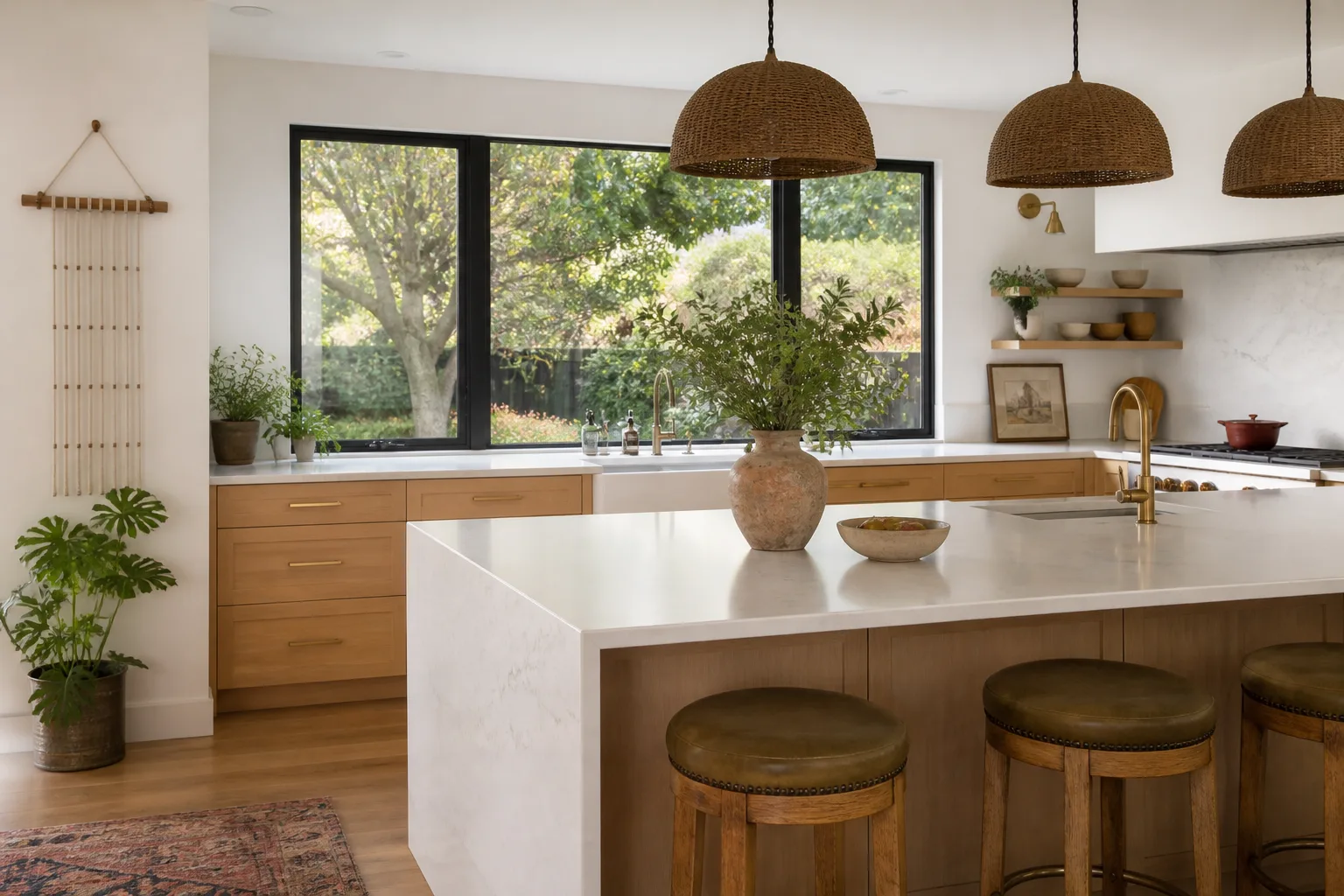
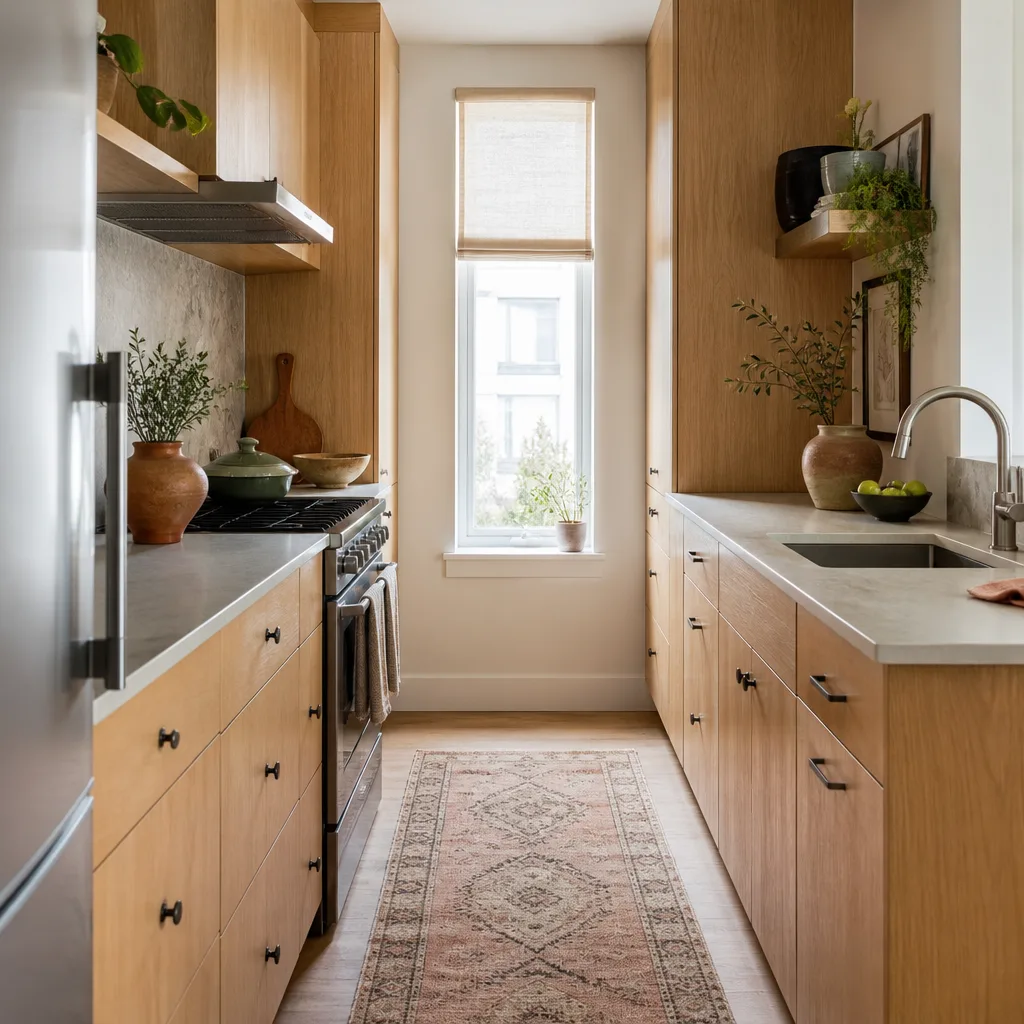
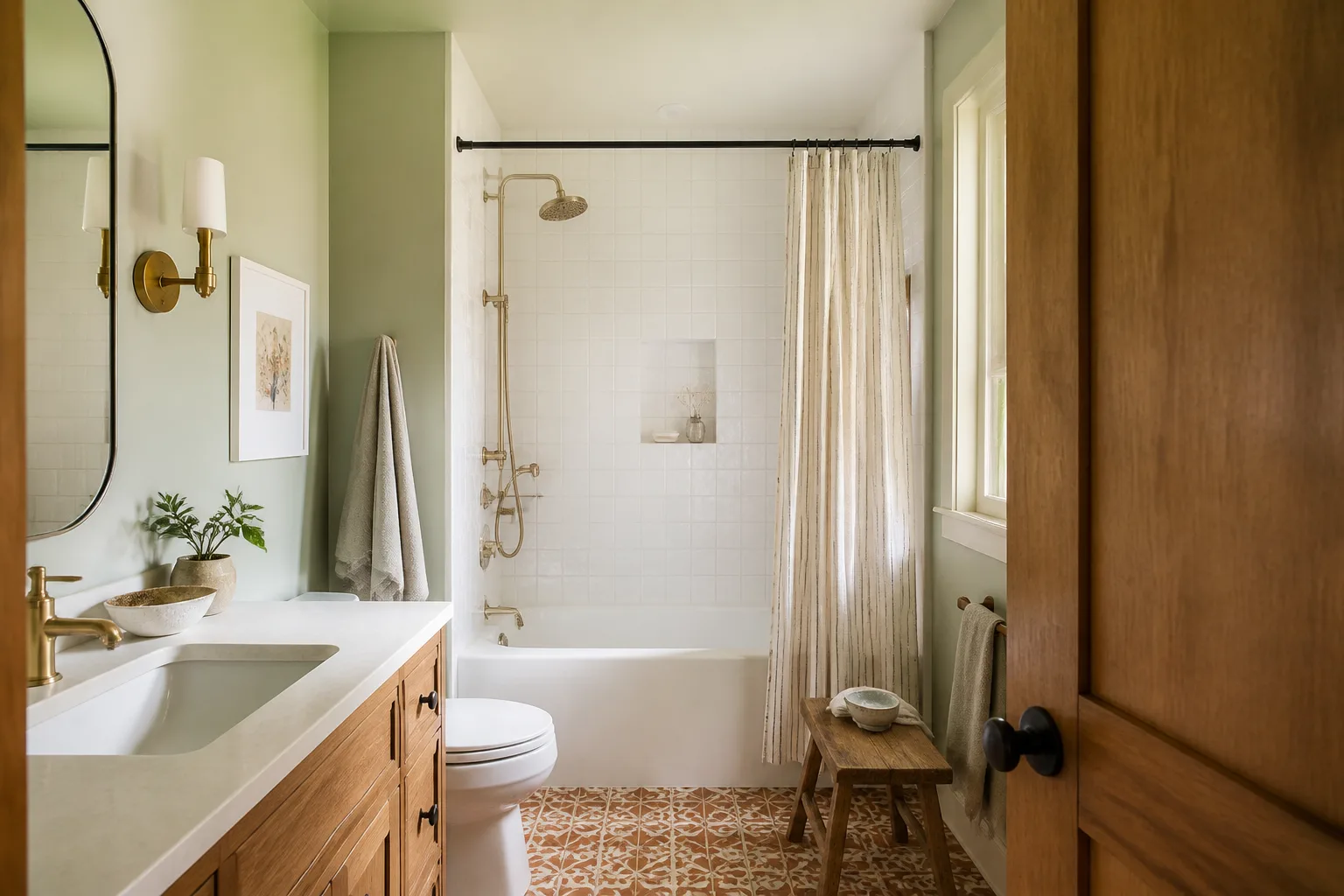
Cambria is a single-source quartz product, which means the biggest compatibility decision is not “which series” but slab size, finish, and edge profile. Full Cambria slabs run roughly 132 by 65 inches, and the company produces both polished and matte finishes (their Matte collection carries a different feel under hand and a slightly different care routine). In Fort Worth, we’ve templated Cambria into kitchen additions in the Fairmount Historic District where the counters had to follow an older, out-of-square wall, and into new ADUs near TCU where the owner wanted the same slab to run from the kitchenette straight through the bathroom vanity.
One compatibility gotcha: Cambria slabs are not all the same thickness. Standard thickness is 2 cm or 3 cm, and for a kitchen island in an addition with overhang seating, 3 cm is the one we specify so the overhang doesn’t need a plywood build-up under the stone. If a homeowner bought a 2 cm remnant intending to use it on a floated shelf, we tell them plainly: granite brackets and Cambria quartz weight don’t mix well. We’d rather note it before the slab gets cut.
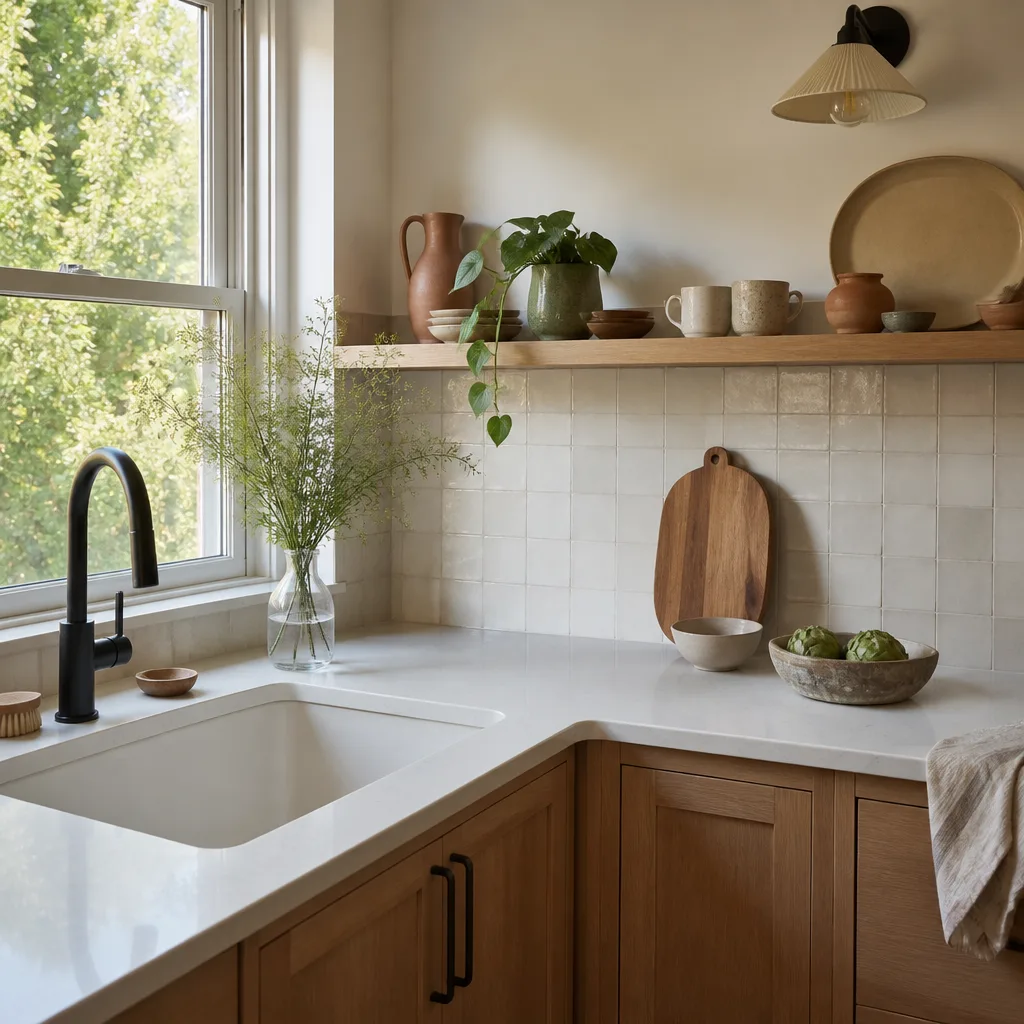
We’re an independent remodeling contractor, not a Cambria dealer or affiliate, so our recommendation is based on what’s true for the install, not what a showroom rep needs to move this quarter. When Cambria is not the best fit for a particular surface (say, an outdoor kitchen in direct Texas sun with no cover), we’ll say so and show a Silestone or Caesarstone option that handles UV exposure with less risk of the resin yellowing. KraftMaid cabinets set under Cambria counters is a combination we do often in Fort Worth additions, and we’ve also paired Cambria with Kohler sinks and Grohe fixtures so every touch surface is a name the homeowner can research themselves.
Styles & brands we work with







Signs Your Cambria Home Additions & ADU Plan Is Going Sideways
Homeowners don’t “discover” a quartz counter failure by stepping on a cracked slab. The failure is usually in the planning, the templating, or the communication. Here are the five situations we get called in to correct most often in Fort Worth:
- The written quote doesn’t match the final invoice, and no one explained why. This is the leading reason a homeowner calls us after another contractor started the addition. A change order is legitimate; a surprise is not. We write the scope before tools come off the truck, and Graham Stein’s rule is simple: “The written price and the final invoice should read the same — if they don’t, that’s on us to explain before we hand you a pen.”
- The Cambria slab was templated wrong for the space. In a Fort Worth bungalow addition, the walls are rarely square. A template that doesn’t account for the bow in a 90-year-old wall leaves a stone-to-drywall gap the homeowner sees every time they sit down to eat.
- The overhang on the kitchen island is cracking or flexing. A 2 cm slab on an overhang without proper support is a break waiting to happen. We specify the thickness and the support before anyone orders stone.
- The installer didn’t protect the floors during the addition work. Cambria installation generates silica dust from cutting and polishing, and that dust gets tracked into the house. Our crew drops cloths and uses shoe covers on every visit, and we photograph the clean-up before we leave.
- Pets and children are being treated as obstacles rather than part of the job. In Fort Worth, houses with kids and dogs are the norm, not the exception. Quiet tools during nap and school hours are not an upgrade on our jobs. They’re how the job gets scheduled if a family is living through the addition.
Replacement Cost & What’s Included
For a full home addition in Fort Worth with Cambria quartz installed, plan on $45,000–$130,000 depending on square footage, layout, and whether the space needs plumbing or HVAC tied in from the main house. The Cambria counter portion of that usually lands between $2,000 and $6,500 per surface area depending on slab choice, edge profile, and number of cutouts. A standalone ADU with a full kitchen and bath starts higher, typically $90,000–$220,000, because the slab is one line item inside a much larger framing, electrical, plumbing, and insulation scope.
| Project Type | Fort Worth Installed Range |
|---|---|
| Home Addition, full build | $45,000 – $130,000 |
| ADU Construction (full kitchen + bath) | $90,000 – $220,000 |
| Garage Conversion (studio or suite) | $30,000 – $80,000 |
| Countertop Installation (Cambria, per surface) | $2,000 – $6,500 |
| Kitchen Island Installation (stone + base) | $3,000 – $10,000 |
Every line item is written down before work starts and the 365-Day Done Right Promise rides on top of the whole project. If it’s not done right, we make it right — not in week one, not in month one, but for a year after the final invoice.
DIY or Call Us?
There is no safe homeowner version of installing Cambria quartz for a home addition or ADU. The slabs weigh hundreds of pounds, and a dropped slab can crush fingers, split a toe, or worse. Templating, cutting, and seam setting are licensed-trade work, and the silica dust from cutting without a wet saw and proper containment is a genuine lung hazard. We don’t hand out step-by-step DIY instructions for this. What a homeowner can do safely: measure the planned counter runs, decide on the finish and edge profile, and write down every cutout (sink, faucet, cooktop). Then call us at (682) 708-9180 and we’ll handle the stone, the support, and the install — with a written price before a single tool comes off the truck.
See the difference
 Before
 After
After Before
 After
After Before
 After
AfterHow long does a Cambria counter last in a Fort Worth addition?
A Cambria quartz counter should last 20-plus years in a Fort Worth addition when properly supported and cleaned with a non-abrasive, ammonia-free cleaner. The two things that shorten its life in our climate are direct sun through west-facing windows (which can dull the finish over decades) and setting hot pans on the stone without a trivet. Call (682) 708-9180 if you’re noticing discoloration or dulling and we’ll take a look.
Can an existing Cambria counter be repaired instead of replaced during the addition?
Small chips and surface scratches on Cambria quartz can often be repaired with a color-matched epoxy fill, but deep cracks through the slab, seam separation, or a counter that was templated wrong during a prior install usually means replacement. We’ll tell you which one it is after we see the stone. The estimate to assess it is free.
How long does a Cambria install take inside a larger home addition?
Once the cabinet bases are set and level, the template-to-install timeline for Cambria in a Fort Worth addition usually runs two to three weeks. That includes slab templating, cutting, edge profiling, and final set. The counter portion of the addition doesn’t slow the rest of the build when it’s scheduled right.
Do you stock Cambria slabs, or do I have to buy the slab first?
We don’t warehouse Cambria slabs in Fort Worth. We coordinate directly with the slab supplier after you pick your design and finish, and the slab travels from their yard to the fabricator to your addition with a written materials line on our quote. You see the price for the stone before anything is ordered. Call (682) 708-9180 to schedule a free estimate and we’ll work up the numbers with the exact Cambria color you want.
Written by Graham Stein, Owner, Elmstead Remodeling Fort Worth at Elmstead Remodeling Fort Worth, serving Fort Worth and nearby areas.
Need a written price and a crew that treats your Fort Worth home like a home? Call (682) 708-9180 — a live person answers, 24/7.


