Free written scope consultation - allowances, timeline, and change-order rules on paper before a single trade is scheduled
Cambria Roofing: The Fort Worth Owner’s Guide
If you’re searching for Cambria roofing parts in Fort Worth, here’s the straight answer: we install and service Cambria-compatible metal roofing systems across Tarrant County, with most repairs landing between $400 and $1,800 and full roof replacements running $15,000 to $40,000 depending on square footage, pitch, and the profile you choose. Most owners discover a problem the same way: a ceiling stain after a hard north Texas storm, granules collecting in the gutter, or a flap of metal lifting along the eave line where the morning sun hits hardest. We keep common Cambria-compatible fasteners, closure strips, and flashing kits on our trucks, so a single-visit fix is often possible once we’ve matched your panel profile.
One thing we want to be clear about from the start: Elmstead Remodeling Fort Worth is an independent contractor, not affiliated with Cambria as a manufacturer. That independence means we tell you honestly whether an OEM Cambria part is worth the wait or a quality aftermarket equivalent will outlast the rest of your roof for less money. Graham Stein has been doing this long enough to know when the brand name on the box matters and when it doesn’t.
Which Cambria Models This Applies To
Cambria’s metal roofing line spans standing seam, ribbed agricultural panel, and corrugated profiles, and the compatibility question is always the same: which panel profile are you working with? The quickest way to identify your roof is to measure the rib height and spacing. Cambria’s standing seam panels typically run 1.5 to 2 inches tall at the seam with a 12 to 16 inch panel width, while their corrugated line uses a narrower 7/8 inch corrugation pattern that most hardware-store closures won’t match cleanly. If you still have the original paperwork, the panel series name is printed on the invoice or stamped faintly on the back side of a sheet near the ridge.
A compatibility gotcha we see often in Fort Worth: homes built during the 2010s boom sometimes have Cambria panels from different production runs, and the color codes from one run don’t always match the next even when the profile is identical. If you’re patching a small section, we order against the actual physical sample rather than the written color code, because sun fading on a south-facing Fort Worth roof can shift a color two shades in five years. For full replacements, the decision between OEM Cambria parts and aftermarket equivalents comes down to panel gauge and paint warranty: OEM carries Cambria’s own finish warranty, but several aftermarket closure and fastener lines are made from the same 300-series stainless and cost 20 to 30 percent less with no performance difference we’ve been able to measure over a decade of North Texas installs.
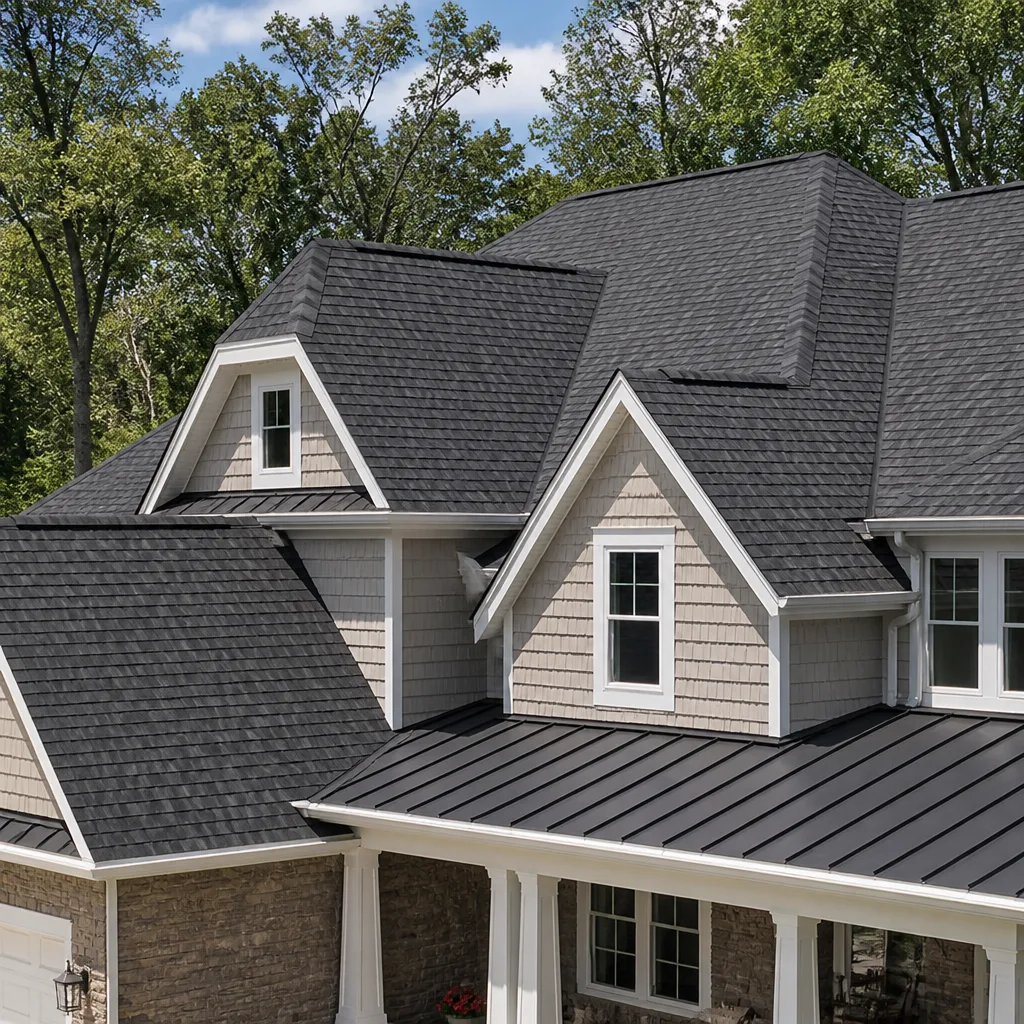
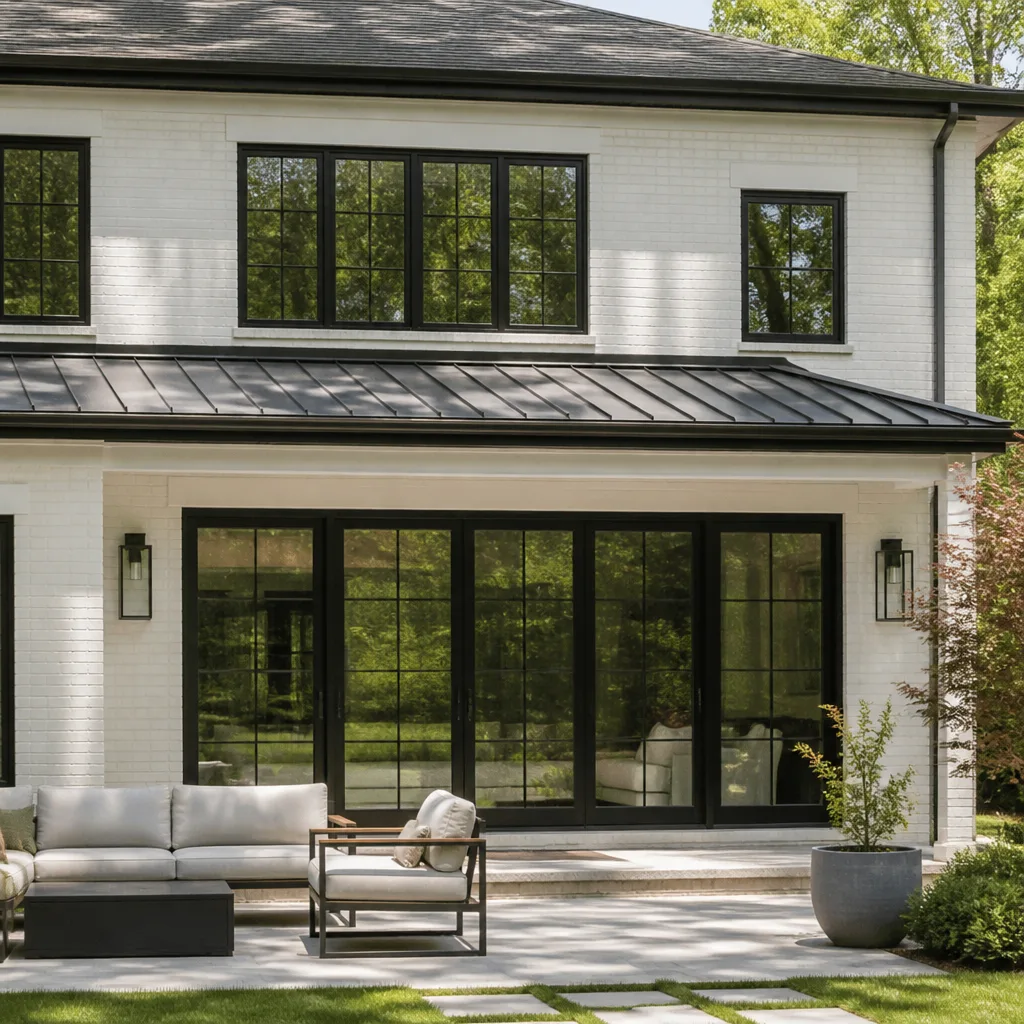
Styles & brands we work with
Signs Your Cambria Roofing Is Failing
- Lifted or flapping panel edges near the eaves. This is almost always a fastener failure, not a panel problem. The gasketed screws Cambria systems use have a neoprene washer that degrades in Fort Worth’s UV and ozone exposure, usually after 10 to 15 years, and the panel lifts once the washer crumbles and the screw loses its seal.
- Granules in the gutter or at the base of downspouts. If you have Cambria’s stone-coated steel line, granule loss exposes the underlying steel to moisture. Early granule loss on a north-facing slope often points to a manufacturing inconsistency; we’ve documented that more frequently on older batches.
- Dark streaks or rust bleed at the overlap seams. This usually means the factory-applied sealant strip between panels has dried and failed. In Fort Worth’s heat, roof surfaces routinely hit 140°F in August, which accelerates sealant breakdown years ahead of the coastal ratings manufacturers publish.
- Ceiling stains after a hard rain but only on one side of the house. Wind-driven rain is different from normal rain. If leaks only appear when storms push water sideways from the northwest, the issue is almost never the panel itself; it’s a failed eave closure or a missing seal at the ridge cap that only sees water during those wind events.
- Loud creaking or popping when the temperature swings fast. Fort Worth gets 40-degree swings between morning and evening in the spring and fall. That thermal cycling works metal panels back and forth constantly, and a popping sound means the panels aren’t floating on the fasteners the way they were designed to, which eventually wallows out fastener holes and lets water in.
See the difference
 Before
 After
 Before
 After
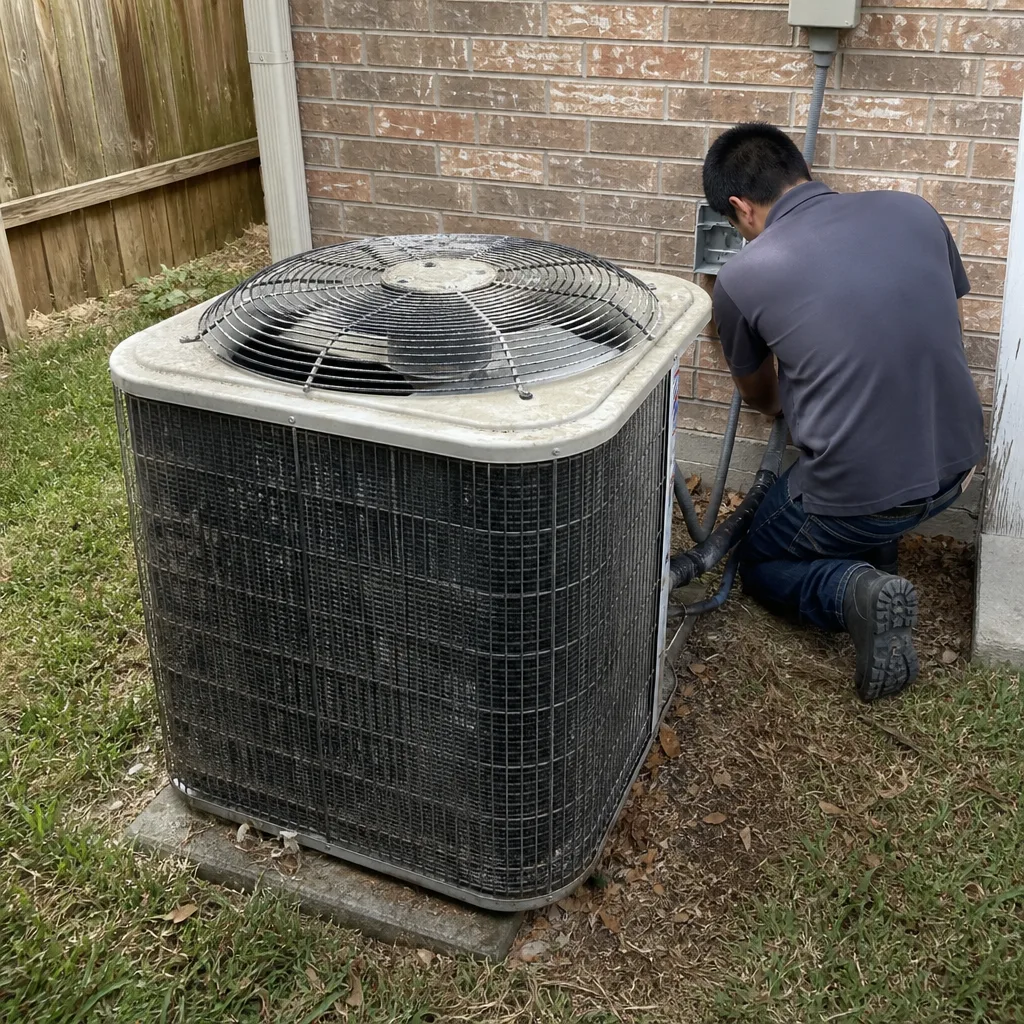 Before
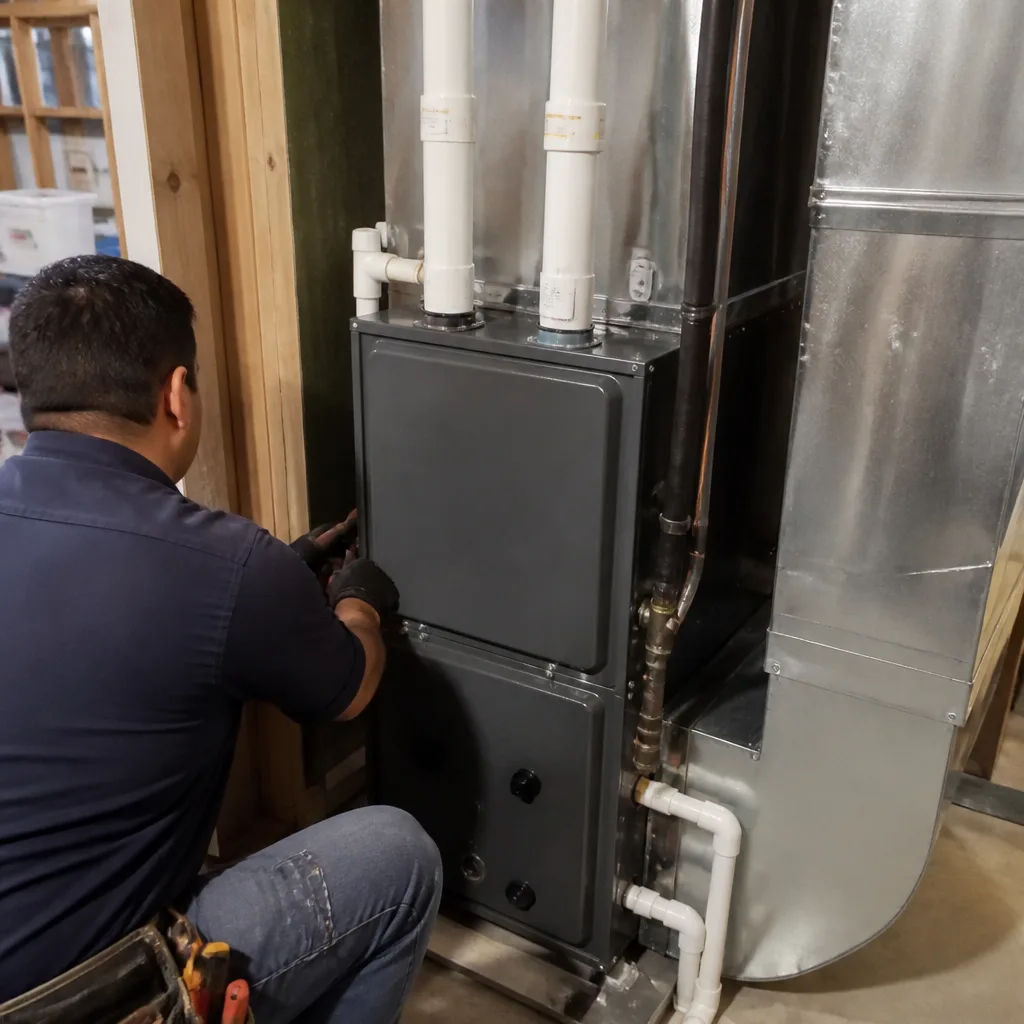 After
Replacement Cost & What’s Included
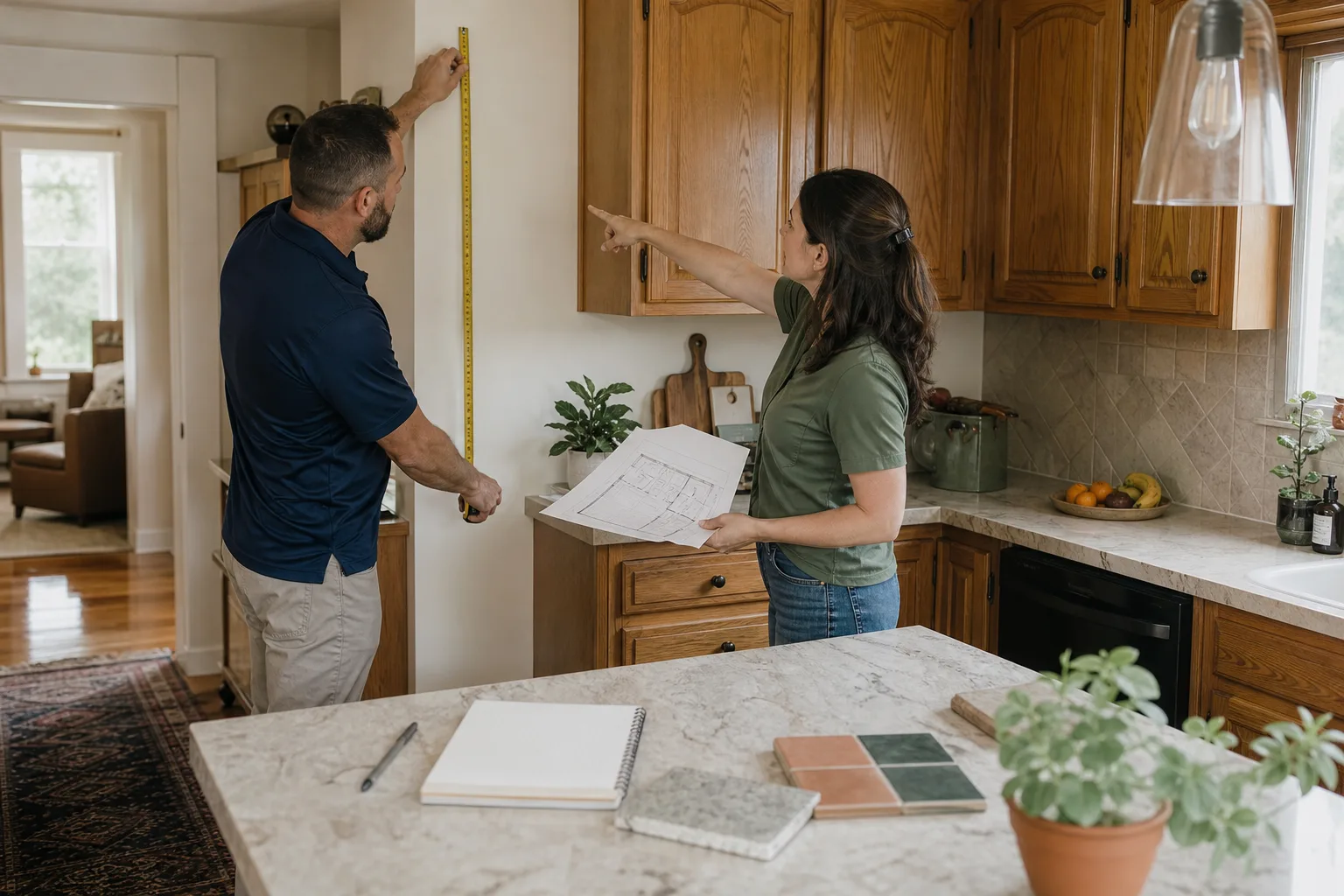
For a Cambria-compatible metal roof repair in Fort Worth, you’re looking at $400 to $1,800 for most single-issue fixes: resealing an overlap seam, replacing damaged fasteners, swapping a closure strip, or resetting a lifted panel. A full Cambria roof replacement runs $15,000 to $40,000 across Fort Worth, and what separates the low end from the high end is almost always panel gauge, profile complexity, and roof pitch. A 4/12 ranch house with a standard 26-gauge standing seam roof falls at the lower range; a steep 8/12 two-story in Arlington Heights with stone-coated Cambria steel, dormers, and a chimney or two lands much higher.
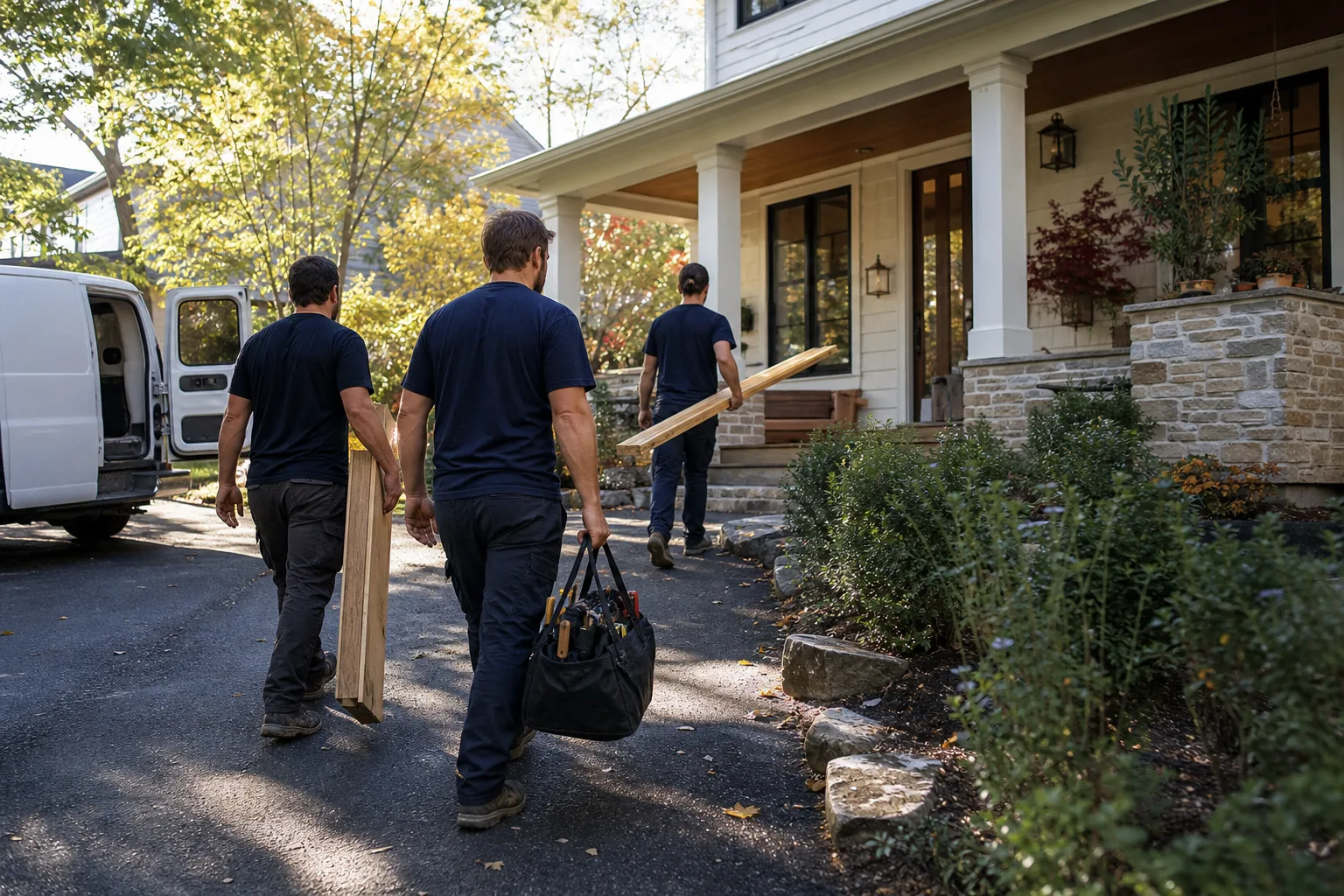
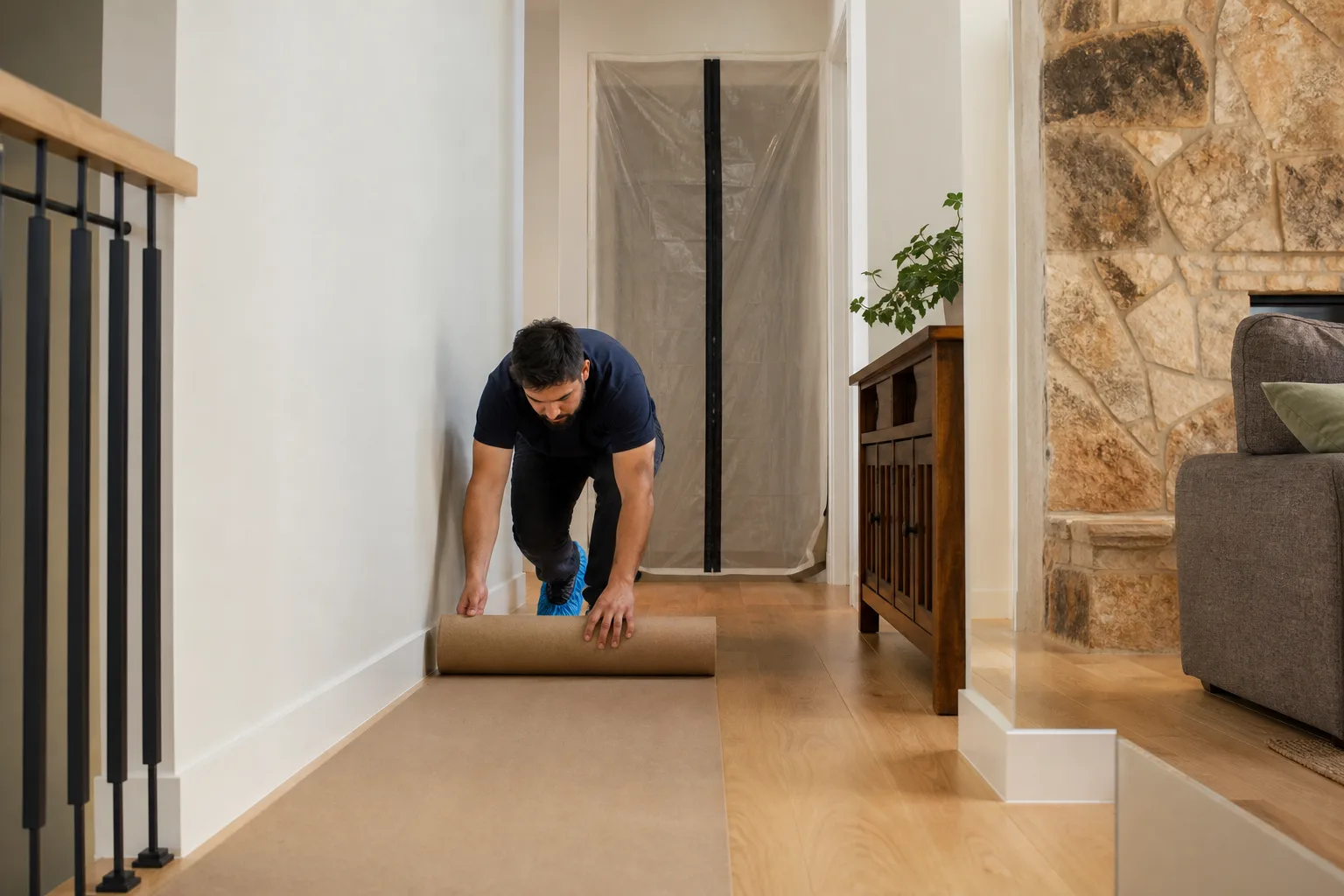
Every estimate we write includes the line items before work starts, so you’ll see exactly what a part costs and what the labor costs, and the written price and the final invoice should read the same. If they don’t, that’s on us to explain before we hand you a pen. We also schedule noisy demo outside school-pickup hours when families are living in the house during the work, and our crew lays drop cloths and wears shoe covers whether we’re inside for an inspection or just crossing the entryway to access the attic.
DIY or Call Us?
There are a few things you can safely check on a Cambria roof from the ground or from a ladder: look for lifted edges, check gutters for granules, and scan for rust bleed at seams. What we’d steer you away from is walking the roof itself, especially after a storm when a loose panel can move underfoot. Metal roofs are deceptively slippery when they’re even slightly damp, and a fall from a two-story Fort Worth roofline is a life-changing event, not a weekend-warrior story.
Where DIY goes wrong with metal roofing specifically is attempting to seal a leak from the surface without addressing the fastener or closure that failed underneath. Caulking over a seam makes it look fixed and usually pushes the water sideways into the next seam, which turns a $600 repair into a $2,000 one a season later. If you see visible fastener problems from the ladder, we’d rather you call (682) 708-9180 and let us assess it properly. Estimates are free, and we’ll tell you what’s actually happening up there.
FAQs
A properly installed Cambria metal roof in Fort Worth’s climate typically lasts 40 to 50 years for the panel itself, though fasteners, sealants, and closures often need refreshing at the 15-year mark because of heat and UV degradation. The stone-coated lines can go longer with good maintenance, but we generally tell customers to plan for a mid-life component refresh rather than assuming the roof is maintenance-free forever.
Yes, in most cases a single damaged Cambria panel can be replaced or a seam resealed without touching the rest of the roof, which keeps your cost in the repair range rather than the replacement range. The exception is impact damage that creases multiple panels or exposes the decking underneath; once water has gotten behind the metal, replacement becomes the honest option. Call (682) 708-9180 with a photo and we’ll tell you which scenario you’re in.
Most single-issue Cambria repairs take our crew two to four hours once we have the matching panel or part in hand, and we usually schedule within a week of your call once we’ve confirmed the profile. If you’re in a bind after a storm, call (682) 708-9180 and a live person will talk through what we can do.
We keep common Cambria-compatible fasteners, panel closures, ridge cap seals, and flashing kits on our service trucks at Elmstead Remodeling Fort Worth, which covers a significant share of the repairs we’re called for. Specialty panels and color-matched sheet stock are ordered per job, which adds a few days but ensures the part actually matches your existing roof. We’re also the local Fort Worth go-to for parts compatibility support for KraftMaid, Silestone, and Kohler installations, so if you’ve got a remodeling project that spans materials, we can help you think through how it all fits together.
Written by Graham Stein, Owner, Elmstead Remodeling Fort Worth, serving Fort Worth and nearby areas.