
Last updated October 15, 2026


Free written scope consultation - allowances, timeline, and change-order rules on paper before a single trade is scheduled
Construction Cost Breakdown: The Fort Worth Homeowner’s Reference for 2026
The cheapest bid on a Fort Worth kitchen remodel in 2026 is often priced below what the materials alone would cost you at a local supplier. That sounds backwards, but it makes sense once you know what that low bid quietly leaves out: Tarrant County permit fees, demolition and disposal, and the licensed trade work that Texas law requires for plumbing and electrical changes. This Construction Permits, Codes & Inspections in TX: What You Need to Know reference guide walks through what a remodeling project in Fort Worth actually costs in 2026, line by line, so you can compare bids with your eyes open. We’ll cover permit fee changes, material prices for named-brand products, labor rates for Tarrant County trades, and the difference between a written price and an allowance-heavy estimate.
Quick Answer
A mid-range kitchen remodel in Fort Worth runs $45,000 to $75,000 in 2026, a bathroom remodel $18,000 to $35,000, and a room addition $180 to $275 per square foot. Permits for these projects typically add $400 to $1,800 depending on scope, and labor rates for licensed Tarrant County trades run 15% to 20% higher than the Dallas market 30 miles east. The single biggest cost variable is not the materials or the square footage – it’s whether your bid is a written fixed price or an allowance-heavy estimate that leaves the final number open.
Styles & brands we work with







Key Takeaways
- Tarrant County permit fees increased in 2024 and again in 2025 for kitchen, bath, and addition work – expect to see $400 to $1,800 on legitimate bids.
- Framing lumber has stabilized below 2021 spikes but trades 8% to 12% above pre-2020 levels, and that floor is unlikely to drop.
- Licensed electricians and plumbers in Fort Worth bill $95 to $145 per hour in 2026, driven by the DFW construction boom competing for a limited labor pool.
- A $40,000 allowance-heavy bid regularly finishes at $52,000 to $58,000 once fixture and finish selections are made.
- A written price with named materials closes the allowance gap before the work begins – which is what we do at Elmstead Remodeling Fort Worth on every project.
Table of Contents
- What Fort Worth and Tarrant County Permits Cost in 2026
- Named-Brand Material Costs in Fort Worth: What the Good Stuff Runs
- Tarrant County Labor Rates in 2026 and Why They Beat Dallas by 15%
- Written Price vs. Allowance-Heavy Bid: The $12,000 Spread
- What a 365-Day Warranty Actually Costs a Contractor
- Project Cost Ranges for Fort Worth Homes in 2026
- The Hidden Costs Most Fort Worth Homeowners See Too Late
- What to Expect During a Fort Worth Remodel, Step by Step
What Fort Worth and Tarrant County Permits Cost in 2026
City of Fort Worth permit fees for residential remodeling are calculated on a valuation-based sliding scale, meaning the more your project costs, the more the permit costs. The 2024 fee schedule update and the 2025 adjustment both trended upward for anything involving structural, electrical, or plumbing scope. As of early 2026, a kitchen remodel with a construction valuation of $50,000 typically carries a permit fee of $600 to $900. A bathroom remodel valuation of $20,000 to $30,000 runs $350 to $600. A room addition – which requires plan review on top of the building permit itself – lands between $1,200 and $1,800 once the review fee and the inspection fees are rolled in.
Here is what the line items look like on a legitimate Tarrant County bid:
- Building permit (valuation-based): $0.007 to $0.009 per dollar of valuation, minimums apply. A $50,000 kitchen remodel at 0.008 = $400, plus tech and record fees.
- Electrical sub-permit: $120 to $250 depending on the number of circuits, outlets, and fixtures being added or relocated.
- Plumbing sub-permit: $90 to $200 for fixture relocations, drain line work, or new supply lines.
- Plan review fee (additions and structural work only): 40% to 65% of the building permit fee, added on top.
- Re-inspection fee (if a trade fails an inspection): $75 to $120 per occurrence, and it is the general contractor or the trade who wears that cost, not the city.
A bid that shows zero permit line items is a red flag in Fort Worth, not a savings. Unpermitted work can surface at the worst moment – during a home sale, an appraisal, or an insurance claim after a water event. In our experience, the permit line is the fastest way to separate a legitimate fixed price from a bid built to look cheap on day one.
We should also mention that the Tarrant County side of the equation matters for homeowners just outside the city limits. Fort Worth proper pulls permits from the City of Fort Worth Development Services. Homes in unincorporated Tarrant County or in small municipalities like Benbrook or White Settlement use their own fee schedules, which vary but generally track 10% to 20% behind or ahead of the city’s. Ask your contractor which jurisdiction your address falls under before you assume anything.
Named-Brand Material Costs in Fort Worth: What the Good Stuff Runs
Material costs in 2026 settle into predictable ranges once you stop comparing “standard” anonymous products against named-brand equivalents. The difference between a generic white subway tile and a Kohler fixture set is measurable, and naming the product means the cost is auditable. Here is what Fort Worth homeowners are actually paying per square foot or per line item right now:
- James Hardie lap siding: $10 to $14 per square foot installed, including trim boards, house wrap, and paint-ready surface. Hardie is specified on most Fort Worth exterior remodels because it holds up through Texas hail season and carries a manufacturer 30-year warranty.
- LVP flooring (mid-grade, 8 to 10 mm wear layer): $4.50 to $7.00 per square foot installed, including subfloor prep. Top-shelf LVP with a 20 mm wear layer and acoustic underlayment runs up to $9 per square foot.
- Kohler fixtures (toilet + sink + tub/shower trim): $900 to $2,400 per bathroom depending on model series. A Kohler Memoirs toilet alone is $350 to $500. Moen and Grohe trim kits run comparable per-line ranges.
- GAF Timberline roofing (architectural shingle): $5.50 to $7.50 per square foot installed, including underlayment, flashing, and ridge vent. Timberline HDZ carries a limited lifetime warranty.
- Blanco kitchen sinks (stainless or Silgranit): $300 to $900 per sink, and it is one of the fixtures most often under-allowanced in a kitchen bid. The allowance gets set at $200, and the real cost lands at $500.
One thing worth saying plainly: named-brand materials cost more than builder-grade for a reason, but the gap is smaller than it looks once you factor in the 15 to 25-year replacement cycle on an unbranded product. A James Hardie plank wall will not need re-painting for a decade. A GAF Timberline roof is a once-in-a-ownership purchase for most Fort Worth buyers. And Kohler and Moen fixtures have manufacturer warranties that travel with the house when you sell it.
We use these brands in Fort Worth remodels because the manufacturer stands behind the product independently of us. That matters when a faucet cartridge fails at month 14. The homeowner calls Kohler. Kohler replaces the part. We’re not in the middle of it. That is the point of specifying a named brand rather than whatever the supply house had on the shelf.
Tarrant County Labor Rates in 2026 and Why They Beat Dallas by 15%
Licensed trade labor in Fort Worth is not cheap, and in 2026 it is running 15% to 20% higher than the same work on the Dallas side of the Metroplex. The reason is structural: DFW’s construction boom – driven by corporate relocation, single-family build-out in north and west Tarrant County, and a multi-family pipeline that has not slowed since 2021 – is chasing a labor pool that did not grow to match it. Master electricians and master plumbers are not produced quickly. Texas requires years of supervised experience and examination before a journeyman moves up to master. That gate keeps supply tight.
Here are the hourly and job-rate ranges Graham has seen on Fort Worth remodels in the first half of 2026:
- Master electrician: $115 to $145 per hour, or $85 to $110 per opening/device on a quoted job. A panel upgrade (200-amp) runs $3,800 to $5,500 in Fort Worth proper.
- Master plumber: $110 to $140 per hour, or $500 to $900 per fixture set on a bathroom remodel. A full bathroom re-pipe is $6,000 to $9,000 when cast iron or polybutylene is being removed.
- HVAC installer (licensed, not handyman): $90 to $120 per hour, or $7,500 to $11,000 for a full system swap. A mini-split add on a room addition runs $5,000 to $8,000.
- Finish carpenter: $65 to $85 per hour, with crown, wainscot, and custom built-ins bid at a per-linear-foot rate.
- General labor / demo crew: $45 to $60 per hour per worker, and that does not include disposal fees.
Why the Dallas premium? Dallas permits run a different fee curve and the city still has a larger volume of commercial core work that anchors big electric and plumbing shops there. Fort Worth draws from the same labor pool but fewer of those tradespeople want to drive west on 30 and 820 every morning. The bid reflects the drive time, the tolls, and the simple supply constraint. None of this is a reason to accept unlicensed work. Texas requires a master electrician or plumber to pull the trade permit, and the contractor of record must hold the right license class for the scope. The math is what it is, but the licensing protects you.
Written Price vs. Allowance-Heavy Bid: The $12,000 Spread
Here is the core thing to understand about remodeling bids in 2026: a written price and an allowance-heavy bid are not two versions of the same number. They are two different pricing philosophies. And the second one will cost you more than the paper suggests.
An allowance-heavy bid looks like this: the contractor prices the framing, the drywall, the flooring install, the plumbing rough-in, and the electrical – and then assigns “allowances” to every category the homeowner gets to choose. Cabinets get a $6,000 allowance. Countertops get $2,500. Fixtures get $1,800. The bid total is $40,000, of which $12,000 sits in allowance limbo. The contractor is only promising the labor half. The homeowner is about to buy the other half at retail, with no contract pricing.
Here is how that $40,000 bid finishes in the real world:
- Cabinet allowance is $6,000, but the kitchen plan calls for 18 linear feet of lower and upper cabinets in painted maple. KraftMaid or Wellborn for a kitchen that size runs $9,500 to $13,000, not $6,000. The homeowner adds $5,000 above allowance.
- Countertop allowance is $2,500, but the island wants quartz – Cambria or Silestone – not a builder-grade laminate. 45 square feet of fabricated quartz installed runs $4,800 to $6,500. Another $2,500 to $4,000 above allowance.
- Fixtures allowance is $1,800, but the sink spec is a Blanco Silgranit and the faucet is a Moen or Grohe pull-down. That pair alone is $1,000 to $1,500 before you count the pot filler or the soap dispenser. Another $1,000 to $2,000.
- The change orders for electrical rough-in once the cabinet layout shifts (because the “allowed” cabinet set didn’t match the plan) add $800 to $1,400.
- Disposal for the old cabinets, old countertops, old flooring, and drywall starts at $600 and climbs.
That is how a $40,000 bid with $12,000 in allowances finishes between $52,000 and $58,000. The contractor was not lying. The allowanced line items were simply too low to buy what the homeowner actually wanted, and the contract says allowances are charged at actual cost plus markup. The finish price is the allowance overrun plus the change order plus the markup on both.
A written price inverts this. We walk the job, spec the cabinets by line item and door style, name the countertop material and the fabrication edge, name the fixture series, and then price it. The number is the number. It is higher than the allowance-heavy bid on paper, and lower in practice, because there is no allowance gap to walk into. We hand the written price to the homeowner before any work starts. Always. No exceptions. That is the Elmstead Remodeling Fort Worth home policy, and it has been since Graham founded the company in 2005.
What a 365-Day Warranty Actually Costs a Contractor
Every contractor in Fort Worth offers a standard one-year workmanship warranty because most contracts in Texas imply it and most insurance policies expect it. Our 365-Day Done Right Promise is the same length on paper but different in operation, and the operational difference is where the cost shows up in our bids.
A standard warranty covers defects: a cracked tile, a failed joint, a cabinet door that sags. The homeowner has to notice, report it, schedule it, and wait for the next available slot. A 365-day promise covers satisfaction: if something was not done right – a reveal that is a hair off, a paint line that ghosts, a drawer that rubs – we make it right without the homeowner having to win an argument first. The cost to us is a warranty reserve on every project, an additional project manager visit at month 11 to walk the job and catch the issues before the clock runs out, and the labor of making things right when a manufacturer’s part is fine but our installation was half a degree out of plumb.
That reserve shows up as 2% to 4% on a legitimate bid. On a $45,000 kitchen remodel, that is $900 to $1,800. Contractors that do not carry the reserve are not cheaper at building. They are just waiting to see if you call. When 60% of callbacks never happen because the homeowner decided it was not worth the fight, the contractor keeps the reserve as margin. We would rather spend the reserve making the house right and have you tell a neighbor that the crew came back at month 11, unprompted, and fixed a cabinet door before you even noticed it stuck. Visit our General Contractor in Fort Worth page to see how the Done Right Promise is structured on paper.
Project Cost Ranges for Fort Worth Homes in 2026
The ranges below assume a mid-range remodel in a post-1980 Fort Worth home – think TCU-area bungalows, Wedgwood ranch houses, and the 2,000 to 2,800 square foot builds that dominate southwest and north Fort Worth. They include permit fees, disposal, labor, and named-brand material costs. They do not include structural repair surprises, which we cover in the hidden costs section below.
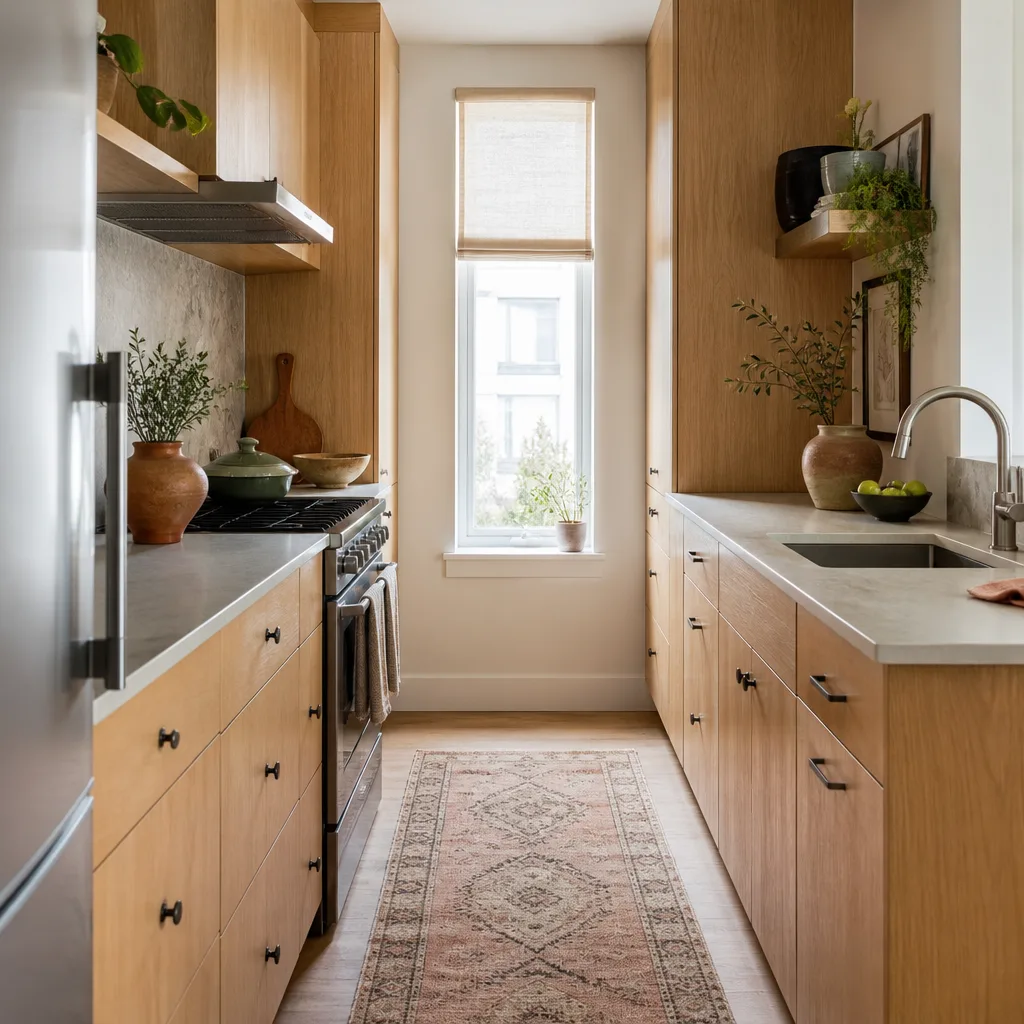
- Kitchen remodel (full gut, 150 – 200 sq ft): $45,000 to $75,000. The spread is driven by cabinet lines (Wellborn vs. KraftMaid custom), countertop material (Cambria vs. Silestone vs. Caesarstone), and whether you are moving plumbing or keeping the sink and range in place. Kitchen Remodeling in Fort Worth breaks down our process.
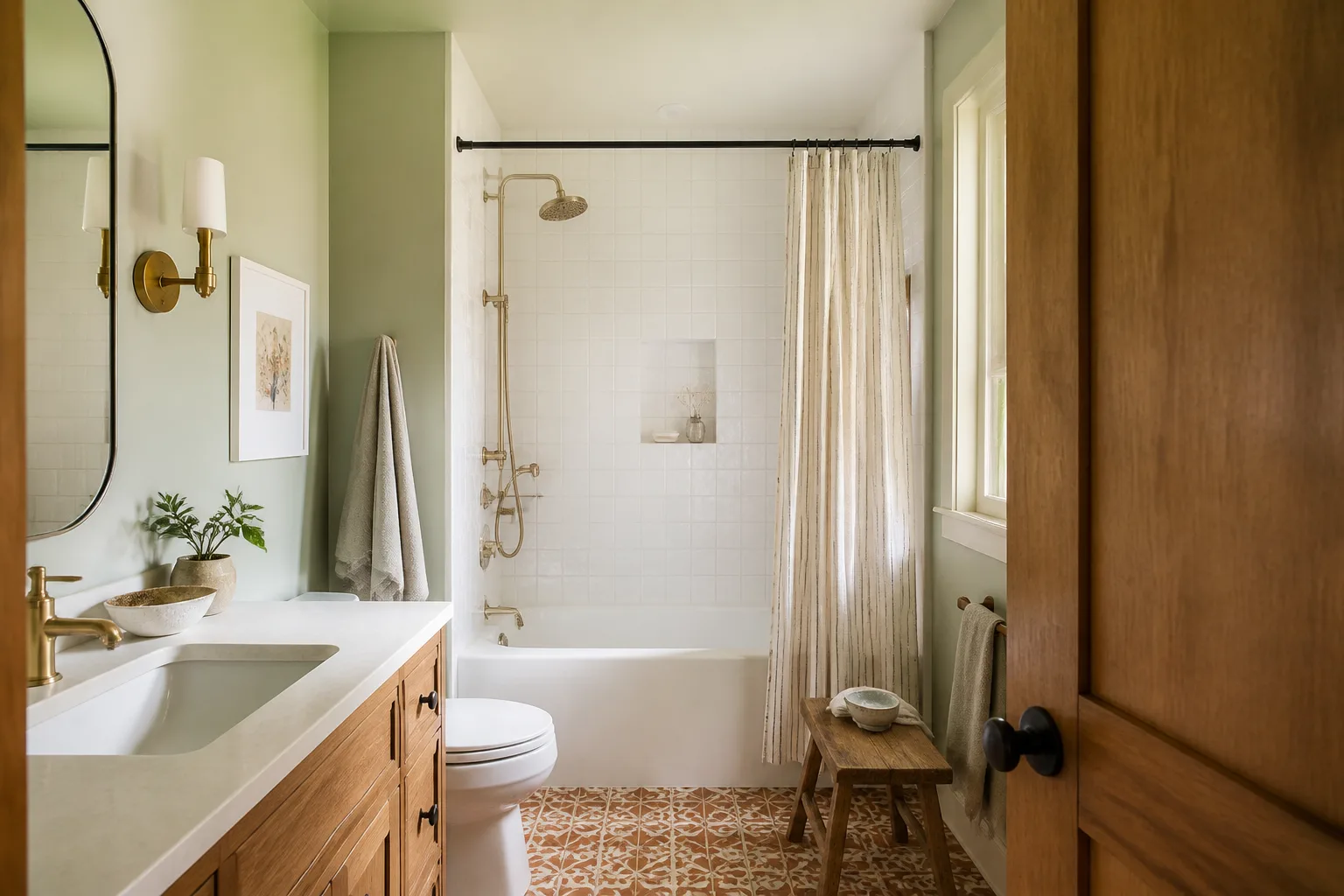
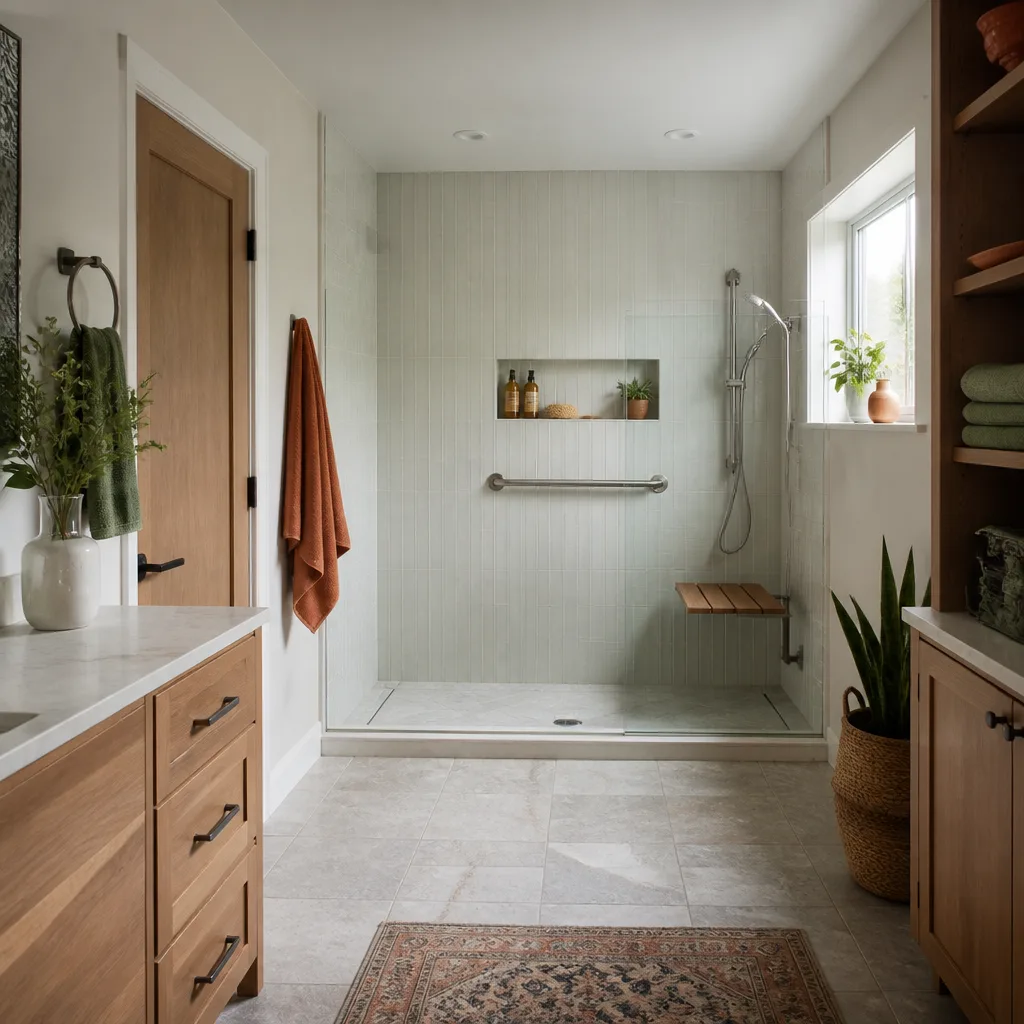
- Bathroom remodel (full gut, 5×8 to 5×10): $18,000 to $35,000. A Kohler alcove tub and Moen trim kit are the middle of the range. Moving the drain line or converting to a walk-in shower pushes the number north. Bathroom Remodeling in Fort Worth covers the options.
- Primary bathroom addition (where none exists): $55,000 to $85,000. This is a high-cost project because it is new plumbing, new electrical, new framing, new roof tie-in, and a new foundation connection.
- Room addition (200 – 400 sq ft, single story): $180 to $275 per square foot. Foundation-only, no bathroom. Add $40 to $60 per square foot if a bathroom is in the scope.
- Whole-home interior refresh (paint, flooring, trim, fixtures – no structural): $35,000 to $60,000 for a 2,200 sq ft house. LVP throughout, new plumbing fixtures, cabinet refacing rather than replacement, and painted trim.
These ranges are specific to Fort Worth in 2026 because they bake in our permit fee curve, our labor market, and our haul-away costs. A kitchen remodel in Fort Worth is not a kitchen remodel in Dallas, and a per-square-foot number from a national magazine will mislead you by 20% in either direction.
The Hidden Costs Most Fort Worth Homeowners See Too Late
The visible costs – cabinets, tile, countertops – are the easy ones. The hidden costs are what separate a pleasant remodel from one that goes sideways in week three. Here is what Graham tells every Fort Worth client before the first drop cloth goes down:
- Cast iron and polybutylene plumbing: Fort Worth homes built before 1975 frequently still have cast iron drain lines under the slab. Polybutylene supply lines appear in homes built between roughly 1978 and 1995. Both are replacement items. Both are invisible until the wall or the slab comes open. Budget $3,000 to $9,000 as a contingency on any bathroom or kitchen gut in those vintages.
- Asbestos and lead paint: Fort Worth’s older bungalow stock – the Fairmount and Ryan Place neighborhoods especially – carries a real chance of asbestos in vinyl flooring and drywall compound, plus lead paint on trim. Abatement and disposal add $2,500 to $7,000 and require licensed removal contractors.
- Structural surprises: slab foundations in Fort Worth move with the clay soil. A tile crack in the old bathroom often becomes a foundation elevation report at $650 and pier work at $4,000 to $12,000 once the floor comes out. Get a foundation inspection before the remodel starts.
- Disposal: a kitchen gut produces 2 to 3 tons of debris. Roll-off dumpster runs $400 to $600 in Fort Worth, and landfill fees on top. A legitimate bid names this line item. A cheap bid hides it until week one.
- Moving fees and temporary kitchen setup: if your remodel displaces the kitchen for 6 to 10 weeks, eating out converts a $250 weekly grocery budget into an $800 weekly restaurant budget. That is $3,000 to $5,000 of real household cost that no bid will show you.
The pattern is the same every time: the low bid hides the cost categories, and the homeowner discovers them at the worst possible moment, when the wall is open and the choice is to pay or to stall the job. A written price from a contractor who walked the house, pulled the original permits on file, and told you the truth about your cast iron is the only thing that turns hidden costs into visible line items.
What to Expect During a Fort Worth Remodel, Step by Step
Here is the sequence a professionally run remodel in Fort Worth follows, from the first phone call to the final walkthrough. This is the order Graham uses on every Elmstead project, and it serves you whether or not you hire us.
- Phone call and initial conversation. A live person answers, 24/7, at (682) 708-9180. No voicemail tree, no bot, no Monday callback. We talk through the project enough to know if it is a fit and whether we should come see it.
- In-home visit and walk-through. We walk the house, measure, check the panel, look at the plumbing access, and ask about kids, pets, and the family’s daily rhythm. The crew introduces itself before any tool comes off the truck.
- Written price. This is where the number gets handed to you. Not an estimate, not a range, not a “depending on allowances.” A written price. It happens before any work starts, every time.
- Permits and scheduling. We pull the building permit and the trade permits from the City of Fort Worth. We schedule the quiet tools (saw and hammer work) around nap hours where we can, and we ask before we move anything that belongs to the family.
- Demolition and protection. Shoe covers at the door, drop cloths on the floors, and pet-safe products where a choice exists. The old materials come out and the dumpster is arranged on day one.
- Rough-in and inspections. The electrician and plumber complete rough-in. The city inspector signs off. We do not close a wall until the inspection passes.
- Finish work. Cabinets, countertops, tile, trim, paint, fixtures. Each brand is named on the paperwork you already signed, so there is no “substitution” conversation mid-project.
- Clean-up and photo. Before the crew leaves for the last time, the house is cleaned and a photo of the finished work – plus the clean floors and the empty drop cloth stack – is taken. It is proof the home was left right.
- Walkthrough and warranty letter. You walk the job with the project manager. Any item that is not right gets noted and scheduled. The 365-Day Done Right Promise letter goes in your hand before the final invoice is sent.
In our experience, the families we work with in Fort Worth care less about the exact week the job finishes than about knowing what happens next at every step. The step list above is the answer to “what happens next.” No surprises.
See the difference
 Before
 After
After Before
 After
After Before
 After
AfterCommon Mistakes to Avoid
- Accepting a bid with no permit line items. In Fort Worth, a permitless kitchen or bath remodel is an active liability. The city can stop the work, and your insurance company can deny a claim. Ask for the permit fee line item in writing.
- Comparing bids by total price alone. A $40,000 allowance-heavy bid and a $48,000 written price are not the same project. The first will finish at $55,000. The second will finish at $48,000. Compare the method, not the number.
- Choosing the cheapest tile and thinking you saved money. Unbranded tile and LVP fail faster. A $1.80 per square foot LVP that delaminates at year four costs more than the $5 per square foot LVP that lasts fifteen.
- Skipping the foundation inspection. Fort Worth clay soil is merciless. Spending $650 before a remodel beats discovering pier work is needed after the new tile goes down.
- Assuming all contractors carry the same insurance. Ask for certificates. A general liability policy with a $1M aggregate and workers’ comp on every crew member is the floor in Fort Worth, not a bonus.
- Not asking about the 11-month walkthrough. The standard warranty expires quietly at month 12. Ask your contractor if they come back at month 11 to catch issues before the clock runs out. If they don’t, that tells you what the warranty is worth.
When to Call a Professional

A Fort Worth remodeling project is a professional call whenever the scope touches plumbing, electrical, structural walls, or the building envelope. Texas law draws the line: a master electrician must pull the electrical permit, a master plumber must pull the plumbing permit, and any structural modification requires a building permit that plans review will want to see. The homeowner who tries to self-perform these trades saves the labor line and inherits the liability, the inspection failure rate, and the resale disclosure obligation. Most of the families we work with in Fort Worth are not trying to save a dollar on a wire nut; they are trying to protect the house their children sleep in. That is a professional call, every time.
Elmstead Remodeling Fort Worth offers free estimates in Fort Worth – call (682) 708-9180 and a live person will answer, day or night. We’ll walk the house, hand you a written price, and tell you what the permit line will be before anything is signed.
Frequently Asked Questions
A full kitchen remodel in Fort Worth runs $45,000 to $75,000 in 2026, including permits, labor, named-brand materials, and disposal. The spread depends on cabinet line, countertop material, and whether plumbing is being relocated. Call (682) 708-9180 for a written price on your exact kitchen.
A bathroom remodel permit in Fort Worth costs $350 to $600 in 2026 for a typical $20,000 to $30,000 project valuation, including the building, electrical, and plumbing sub-permit fees. The exact number depends on the City of Fort Worth fee schedule in effect when the permit is pulled.
Fort Worth labor rates for licensed trades run 15% to 20% higher than Dallas in 2026 because the same limited pool of master electricians and plumbers is being pulled by construction across DFW, and fewer want to work west of 820. The result is a real premium on every trade-licensed hour in Tarrant County.
A written price names every line item and material before work starts, so the number cannot grow with selections. An allowance-heavy bid sets provisional dollar amounts for cabinets, countertops, and fixtures, and those allowances regularly finish 30% to 50% under what the homeowner actually chooses. The $40,000 allowance bid finishing at $55,000 is the most common pattern we see in Fort Worth.
Yes. Every Elmstead project in Fort Worth includes the City of Fort Worth permit line item and the trade sub-permits from the start. We do not perform unpermitted work, and we schedule inspections so the work is never closed inside a wall before it is signed off.
A primary bathroom addition where none exists runs $55,000 to $85,000 in Fort Worth in 2026, depending on square footage, foundation work, and plumbing distance. The cost includes the new building permit, plan review, and all licensed trade labor. Call (682) 708-9180 to walk through the specific numbers for your layout.
The Bottom Line

Remodeling costs in Fort Worth in 2026 are driven by permit fee increases, stabilized but still-elevated lumber pricing, and a labor market that charges a premium for licensed Tarrant County trades. The spreads between a low bid and a legitimate one come from what the bid includes: permits, disposal, named-brand materials, and a warranty reserve. A written price removes the allowance gap and makes the final number known before work begins. For more guides & resources, call (682) 708-9180 for a free estimate and a written price on your remodel – answered by a live person, any hour, every day.
Written by Graham Stein, Owner at Elmstead Remodeling Fort Worth, serving Fort Worth since 2005.


